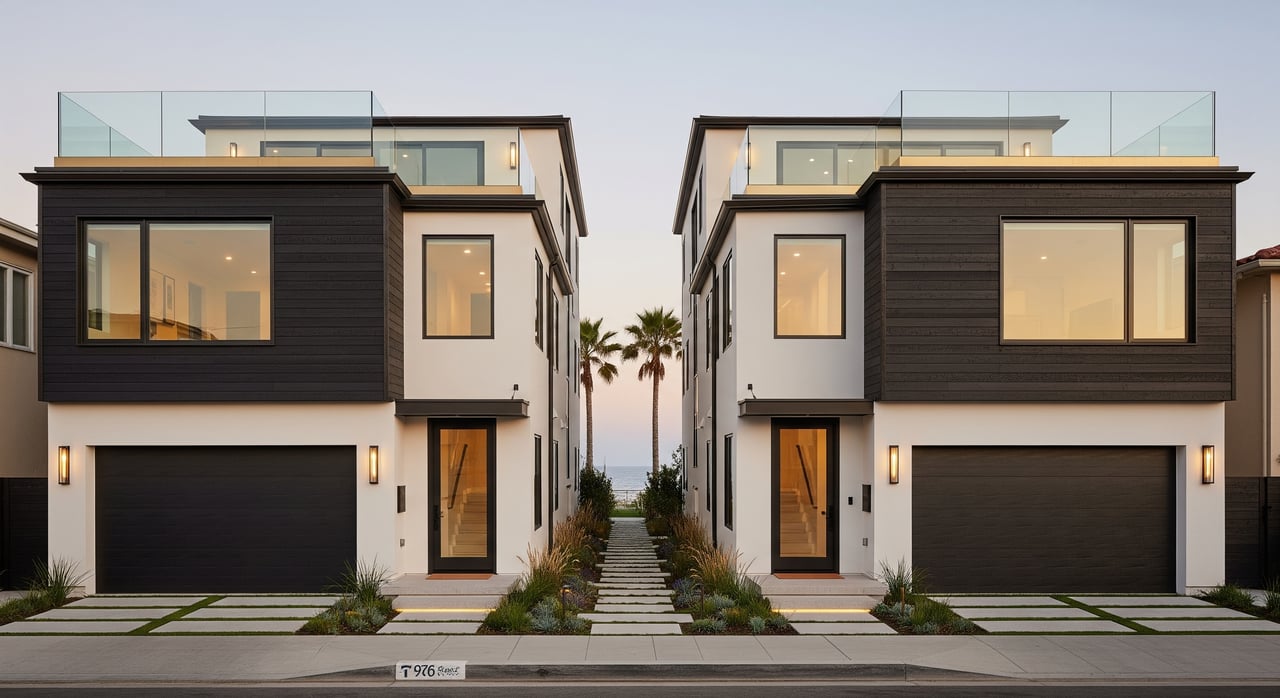
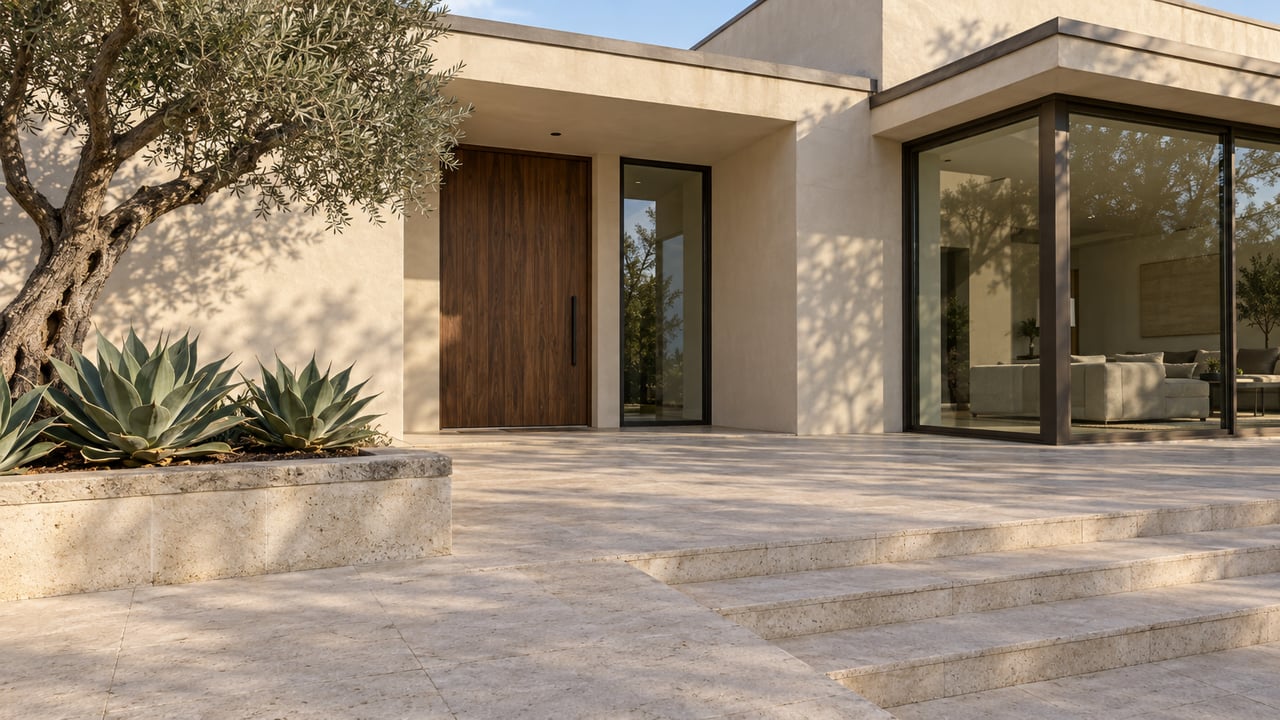
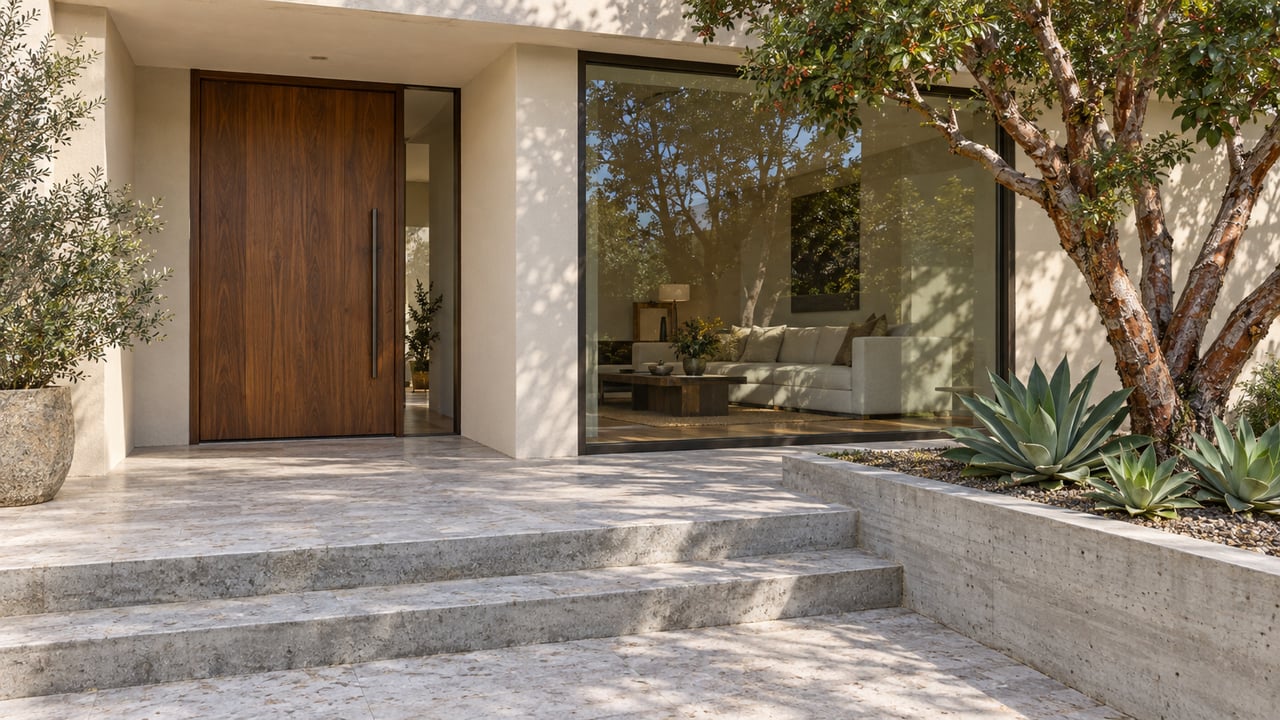
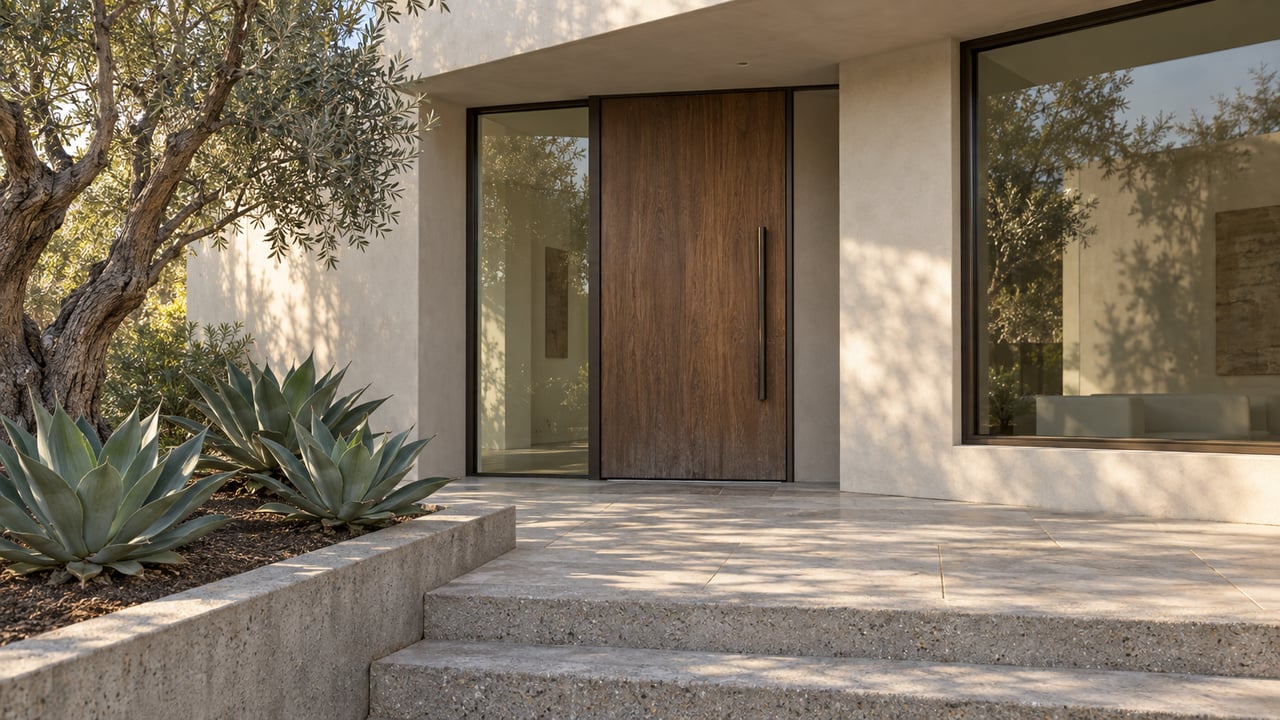
Thinking about turning a Manhattan Beach single-family lot into a duplex or splitting it into two parcels? You’re not alone. With SB 9 on the books, you want clarity on what’s allowed, where coastal rules change the playbook, and how you can exit cleanly without surprises. In this guide, you’ll get the essentials on SB 9, the local standards that matter most in Manhattan Beach, realistic timelines, and proven exit paths to consider. Let’s dive in.
SB 9 basics in one minute
SB 9 is a California law that allows ministerial approval of either a two-unit housing development or an urban lot split on eligible single-family parcels. Cities can apply objective standards, but they cannot block the basic right to pursue two units or a qualifying split. The statute’s core provisions also include anti-displacement rules that exclude recently rented or deed-restricted homes.
A few key limits shape outcomes:
- Lot splits typically must be roughly equal, with no more than a 60-40 division, and cities cannot preclude two units of at least 800 square feet per lot. Practice guides summarize these rules.
- SB 9 does not override the California Coastal Act. If your property is in the coastal zone, you must also meet Local Coastal Program standards, which can add steps and time. County guidance explains this interaction.
- Local agencies are generally required to complete a ministerial review within statutory timelines after an application is deemed complete. Many jurisdictions follow a 30-day completeness check and a 60-day decision window. Process summaries outline these timelines.
Manhattan Beach local rules to know
Manhattan Beach adopted a permanent SB 9 ordinance, effective January 18, 2024. The city processes SB 9 applications ministerially and requires a recorded covenant as part of approval. The city listed a base SB 9 application fee of $572, excluding plan check and building permit fees. Review the city’s SB 9 page for forms and process details. See Manhattan Beach’s SB 9 page.
Dimensional standards matter. Minimum lot area, lot width, setbacks, height, and floor area differ by Area District and zone. For example, RS lots in Area Districts I and II often require larger minimum areas than Area Districts III and IV. These rules drive whether a split or duplex can fit without major demolition. Check the Property Development Regulations.
Coastal parcels face additional objective rules. The city’s coastal standards include higher parking minimums and separate coastal zoning in some areas. This can lengthen timelines and change site planning. Review coastal standards.
Feasibility checkpoints
Site and zoning fit
- Confirm Area District standards for minimum lot size and width, plus setbacks and height. Tight lots can make a 60-40 split or two new units hard without removing the existing structure. Use the zoning tables.
- Validate utilities and access. A split typically needs each lot to have street access and adequate services. Technical summaries highlight these basics.
Coastal and LCP impacts
Legal landscape
- Lot splits commonly require an owner-occupancy affidavit that limits immediate resale options for three years. Review the required covenant language with counsel and your title company. City materials describe required covenants.
- As of 2024, a Los Angeles County Superior Court ruling questioned SB 9’s application to certain charter cities, and the Attorney General appealed. Confirm the latest status before investing. See case summary.
Cost and financing realities
- Coastal compliance, parking, demolition, utility upgrades, and soft costs can push budgets higher. Statewide, SB 9 adoption has been slower than ADUs due to cost and site constraints. Recent reporting discusses uptake trends.
Timeline at a glance
Here is a typical, high-level sequence once you have a complete application:
- Completeness check: often within about 30 days.
- Ministerial decision: target of 60 days after completeness in many jurisdictions. See process overview.
- Building permits and plan check: varies by scope and site conditions, especially in the coastal zone.
- Construction: commonly 6 to 18 months or more, depending on complexity and contractor capacity.
Exit strategies that work
Split and sell one parcel
- You obtain an SB 9 urban lot split, record the map and required covenant, then sell one of the new parcels. The recorded owner-occupancy condition on lot splits can affect timing, pricing, and financing. Confirm details with the city and your title team. City SB 9 materials.
Build duplex and sell as multi-unit
- You build two units on the original lot, secure Certificates of Occupancy, then sell the entire property as a two-unit asset. This can avoid a condo process, though the buyer pool may skew to investors. If no lot split occurs, the common owner-occupancy rule tied to splits may not apply. Confirm specifics in your approvals.
Condo conversion to sell units separately
Rent and hold
- You add units and operate them as long-term rentals. SB 9 generally restricts new units from being used for short-term rentals. This can be a steady-hold strategy, rather than an immediate cash-out.
Sell as is to a developer
- You market the property’s SB 9 potential and sell to a builder who handles entitlements and construction. Pricing often reflects owner-occupancy restrictions, coastal complexity, and entitlement risk.
Quick action checklist
- Confirm zoning and overlays. Identify Area District, coastal status, and any special overlays that could limit a split or duplex. Start with city SB 9 resources and zoning tables.
- Request a preliminary planning check. Ask Manhattan Beach Planning to verify SB 9 eligibility, coastal triggers, and required covenants.
- Verify tenant history and title. SB 9 excludes homes with tenants in the last three years and certain deed-restricted properties. Review statutory exclusions.
- Hire a surveyor or engineer. Test a compliant 60-40 split, street access, and utility service. See technical notes.
- Build a concept budget. Include demolition, construction, fees, and coastal-related costs if applicable.
- Align exit and financing. If your goal is separate sales, decide between a recorded lot split or a later condo map, and confirm lender and title requirements.
- Track legal updates. SB 9 litigation is evolving. Check city guidance and case updates. Read a case summary.
When you are ready to weigh your options, you deserve a broker-led plan that protects value and time. For a confidential, data-grounded SB 9 review on your Manhattan Beach property, connect with High-End Estates.
FAQs
What is SB 9 in California and how could it affect my Manhattan Beach lot?
- SB 9 enables ministerial approval for a two-unit development or a qualifying urban lot split on eligible single-family parcels, subject to objective local standards and coastal rules where applicable.
Do coastal zone properties in Manhattan Beach qualify for SB 9?
- Many do, but SB 9 does not supersede the Coastal Act, so coastal permits and Local Coastal Program standards still apply and can add time, parking, and design requirements.
How fast can I get an SB 9 approval in Manhattan Beach?
- After a complete submittal, expect a completeness review and then a ministerial decision window commonly cited as about 60 days, with building permits and construction timelines varying by scope.
Can I split my lot and immediately sell both parcels?
- Lot splits usually require a recorded owner-occupancy affidavit for three years, which can limit immediate resale options. Review the covenant language with your attorney and title company.
Can I turn SB 9 units into condos for separate sales?
- Not by default. Condo conversion is a separate, discretionary process that typically requires a map, hearings, and added time and fees.
What lot sizes typically work in Manhattan Beach for SB 9?
- It depends on your Area District, lot width, setbacks, height, and floor area rules. Smaller coastal lots can be challenging for a 60-40 split or two new units without major changes to existing structures.