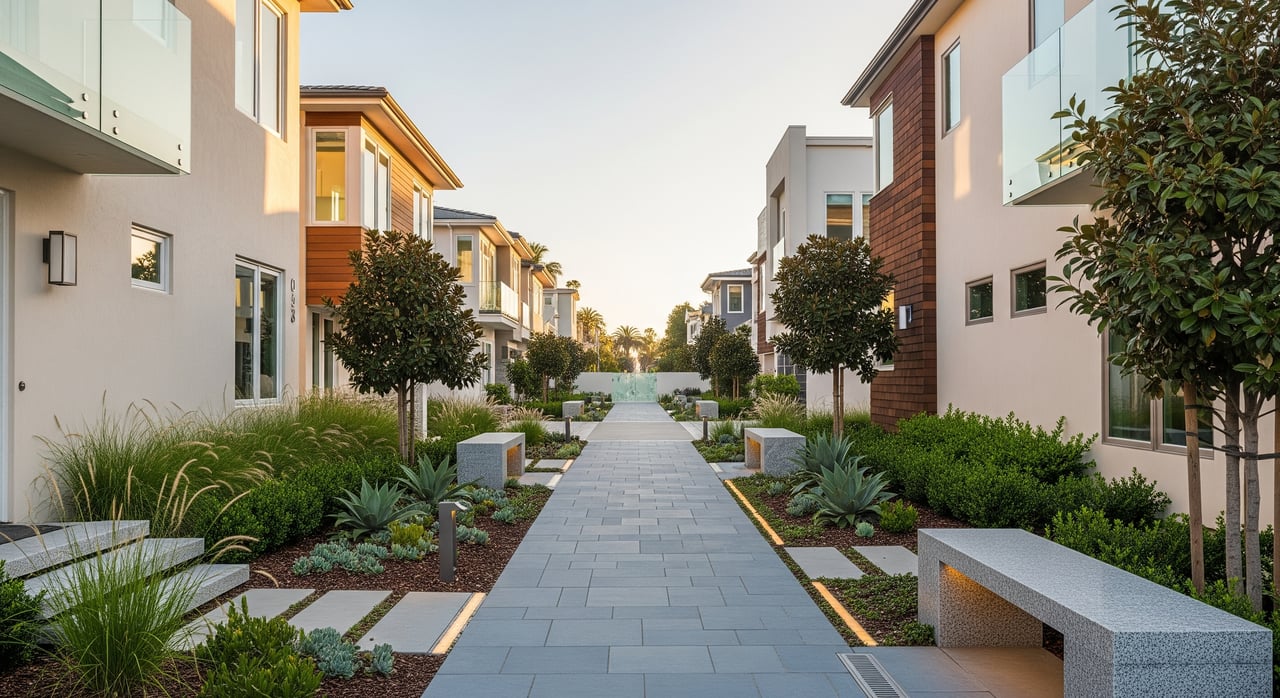
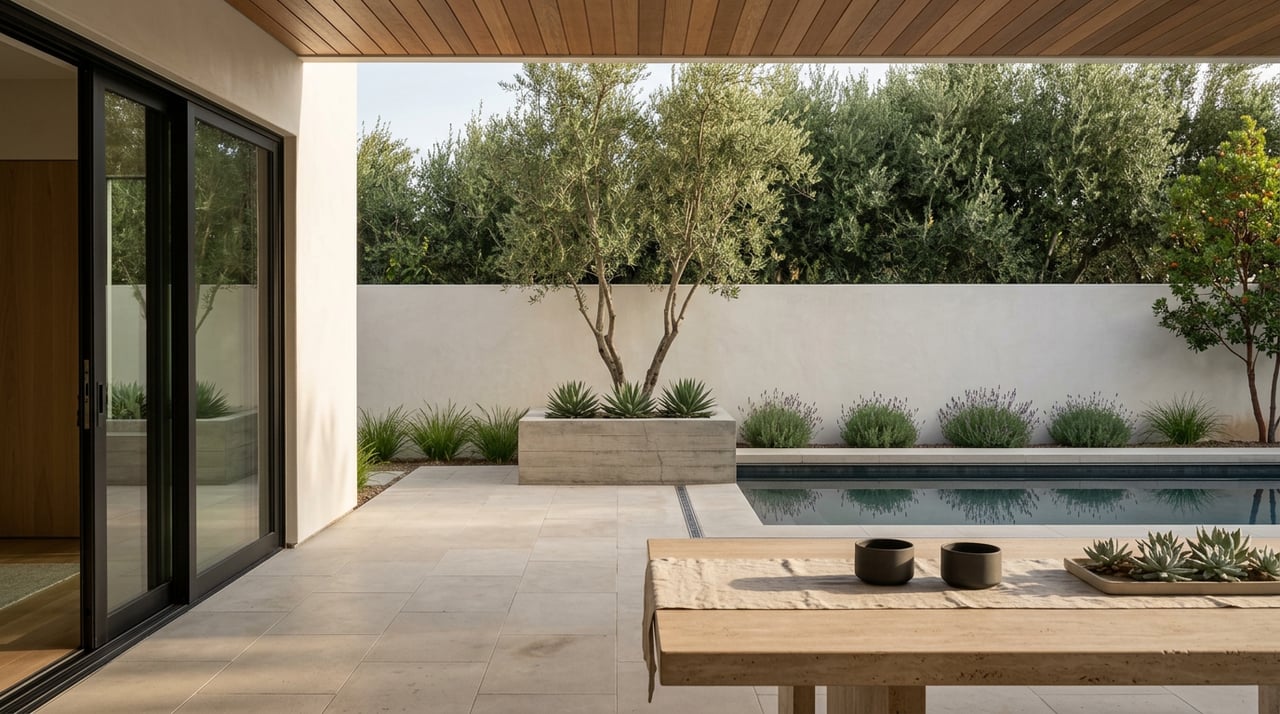
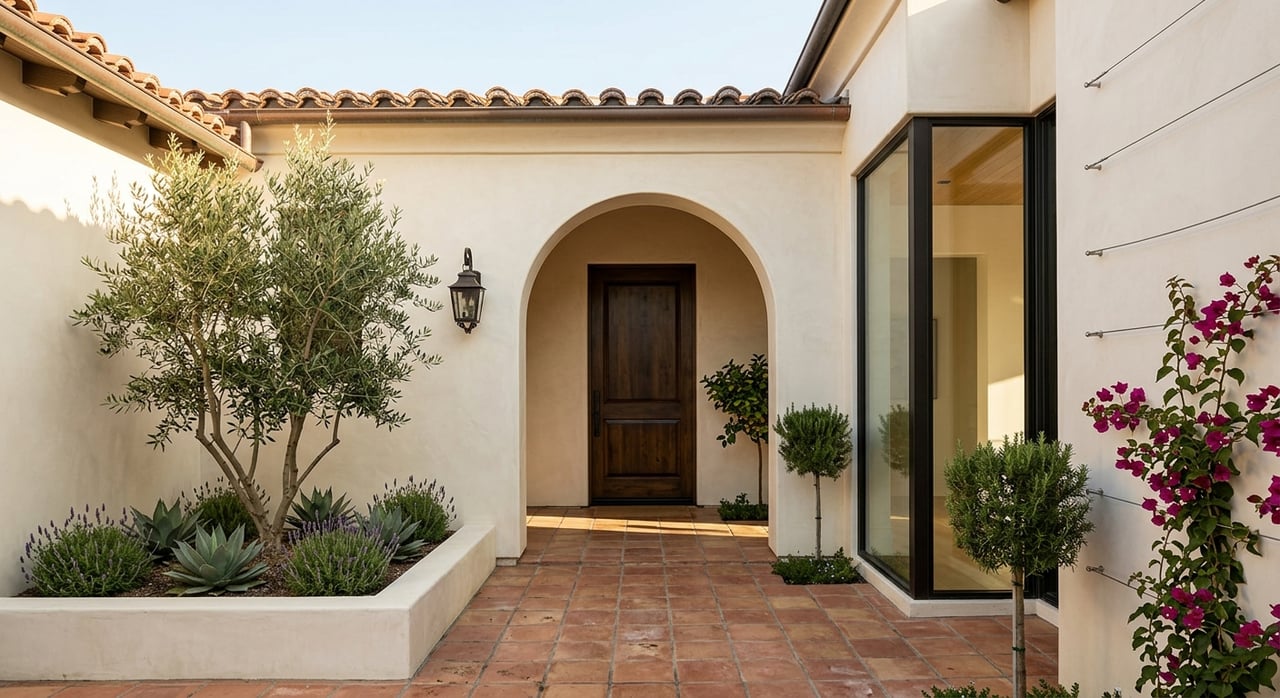
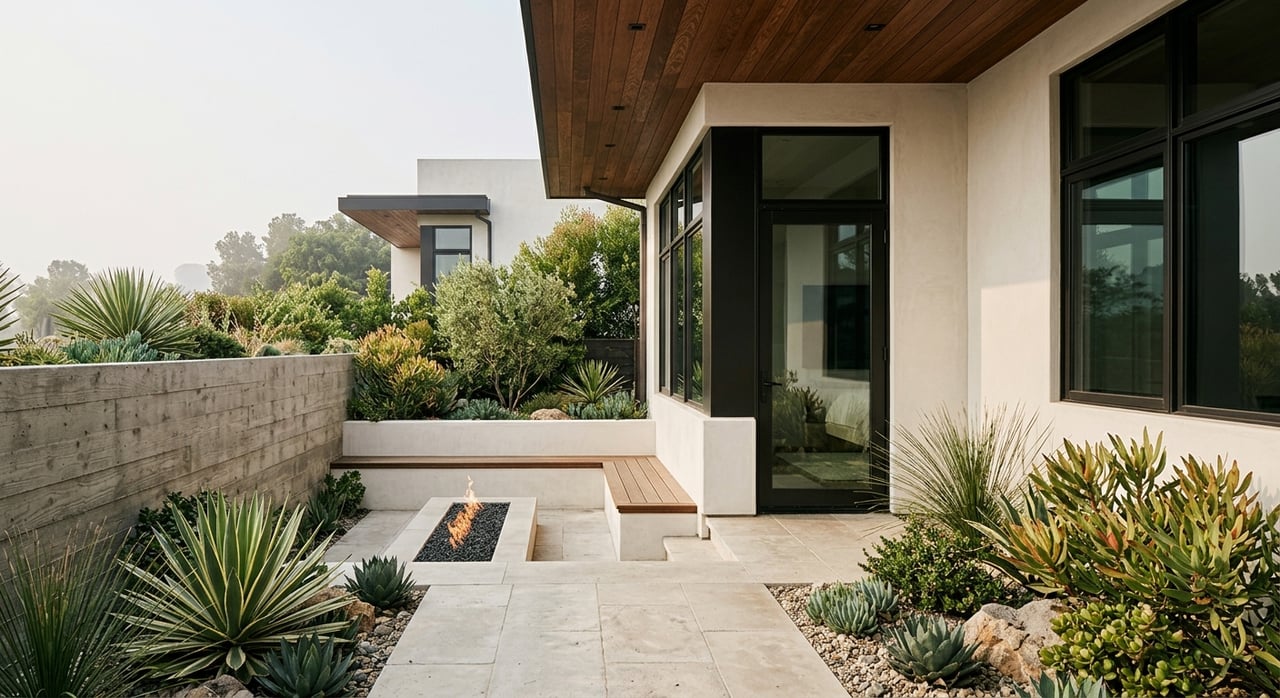
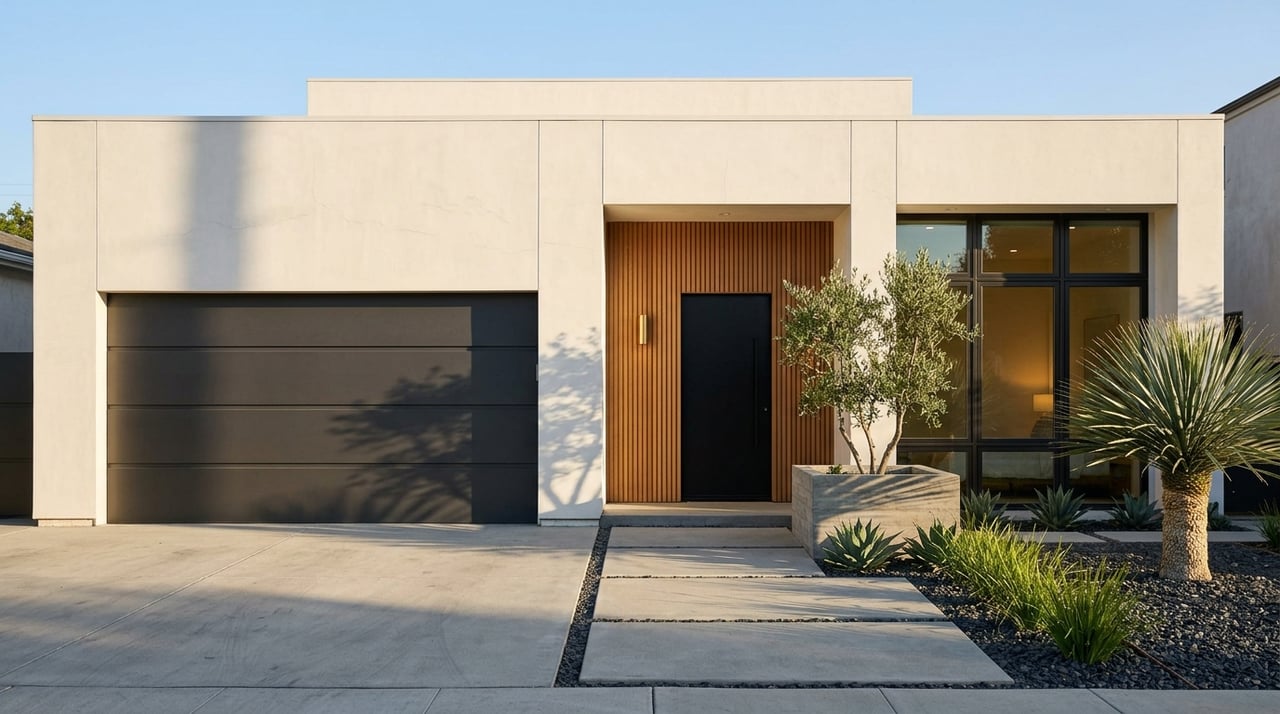
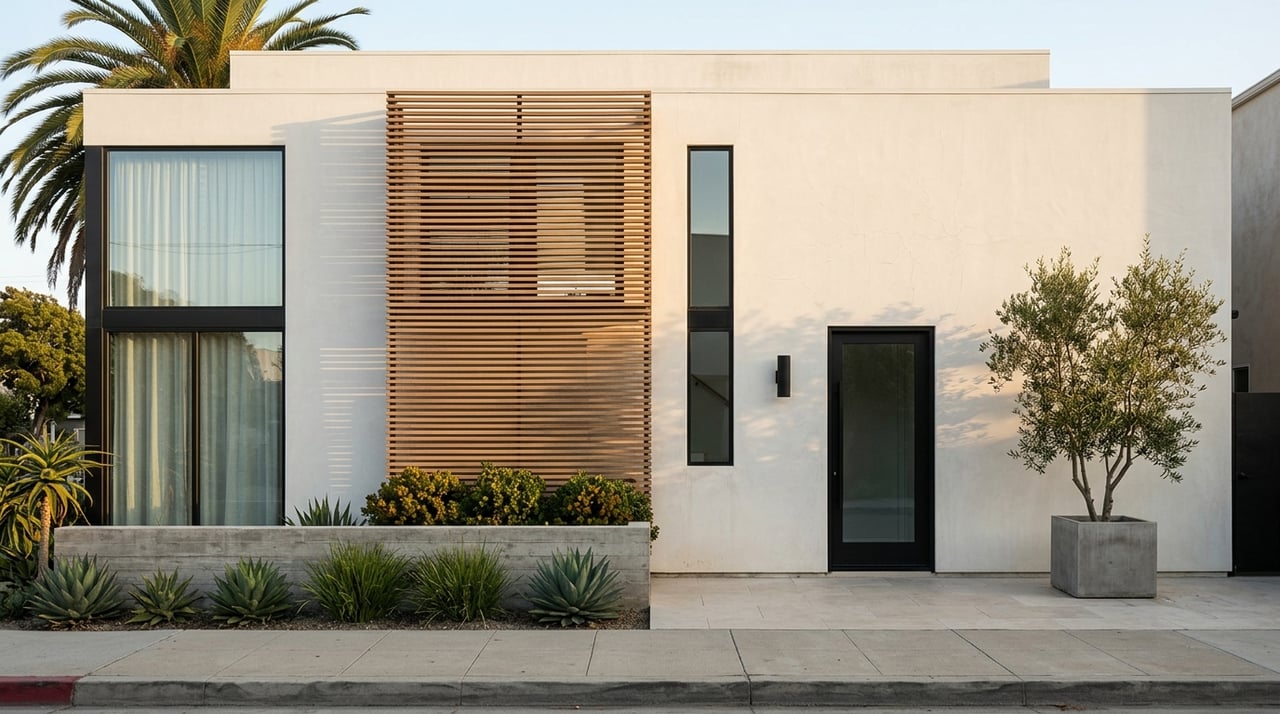
Thinking about freshening up the plantings along your walk-street in Manhattan Beach? It is tempting to treat that strip like your private front yard, especially in the Sand Section where pedestrian lanes flow straight to the sand. But much of that area is public right-of-way. If you install landscaping or features without approval, you could face removal orders, fines, or delays that derail your plans.
This guide explains how right-of-way works on local walk-streets, when you need an encroachment permit, and what “low-profile” design really means. You will learn the key steps, common pitfalls, and practical design tips that respect public access while keeping your curb appeal high. Let’s dive in.
Public vs. private frontage on walk-streets
The land in front of your home can include multiple zones with different rules. Understanding where your property line ends is the first step.
- Private property: Everything inside your surveyed lot is yours to control, subject to zoning and building codes.
- Public right-of-way: Walk-streets, sidewalks, and beach connectors are typically city controlled and intended for public use. This often includes the strip you may think of as a front verge.
- Public land with private maintenance: In some cases, the city allows owners to maintain plantings in the right-of-way under a permit or agreement. You maintain it, but you do not own it.
On Manhattan Beach walk-streets, especially in the Sand Section, that pedestrian corridor and adjacent verge are usually public right-of-way. Treat any improvements there as potential encroachments that need city review.
Why encroachment permits matter
Any private improvement in the public right-of-way typically requires an encroachment permit from Public Works or Engineering. This includes planting, edging, irrigation, lighting, steps, fences, signage, benches, and raised planters.
- What permits involve: A site plan, scope of work, plant list, proof of insurance, and an indemnity agreement are common. Conditions can require that elements be removable and never restrict access.
- Enforcement risks: Work done without a permit can be halted. The city can order removal at your expense and assess fines.
- Revocable status: These permits are usually revocable. Even approved elements can be required to be removed later if access or safety is affected.
If your design touches the walk-street or verge, assume a permit conversation is required before you build or plant.
Accessibility and safety come first
Walk-streets are public walkways. They must remain accessible, safe, and clear for everyone.
- ADA access: Do not reduce the continuous clear width of the pedestrian route or create trip hazards. Keep surfaces even and transitions smooth.
- Emergency access: Lifeguards and public safety teams need unobstructed paths to the beach. The city may set minimum clear widths or require openings for access.
- Visibility: Keep sightlines open for pedestrians and drivers at crossings. Low plantings help preserve visibility.
Design with a continuous, unobstructed route of travel in mind, then fit aesthetic choices around that requirement.
Coastal zone and public access
Manhattan Beach is within the California coastal zone. Public access to the beach is a core priority.
- Coastal review triggers: Substantial or permanent changes that affect access or visibility to the beach may require Coastal review or a Coastal Development Permit under local coastal program rules.
- Cumulative impacts: Even small encroachments can draw scrutiny if, over time, they reduce public use or visibility.
Keep designs modest, removable, and clearly compatible with public access. Confirm with Planning if your scope could prompt additional coastal review.
What “low-profile” landscaping usually means
Cities often require low, uncluttered plant palettes within the right-of-way. While exact standards vary by location, these expectations are common in walk-street areas:
- Plant height limits: Many jurisdictions cap plants in the right-of-way at low heights to preserve sightlines. The range often falls within low shrub or groundcover heights, but confirm the local rule before you design.
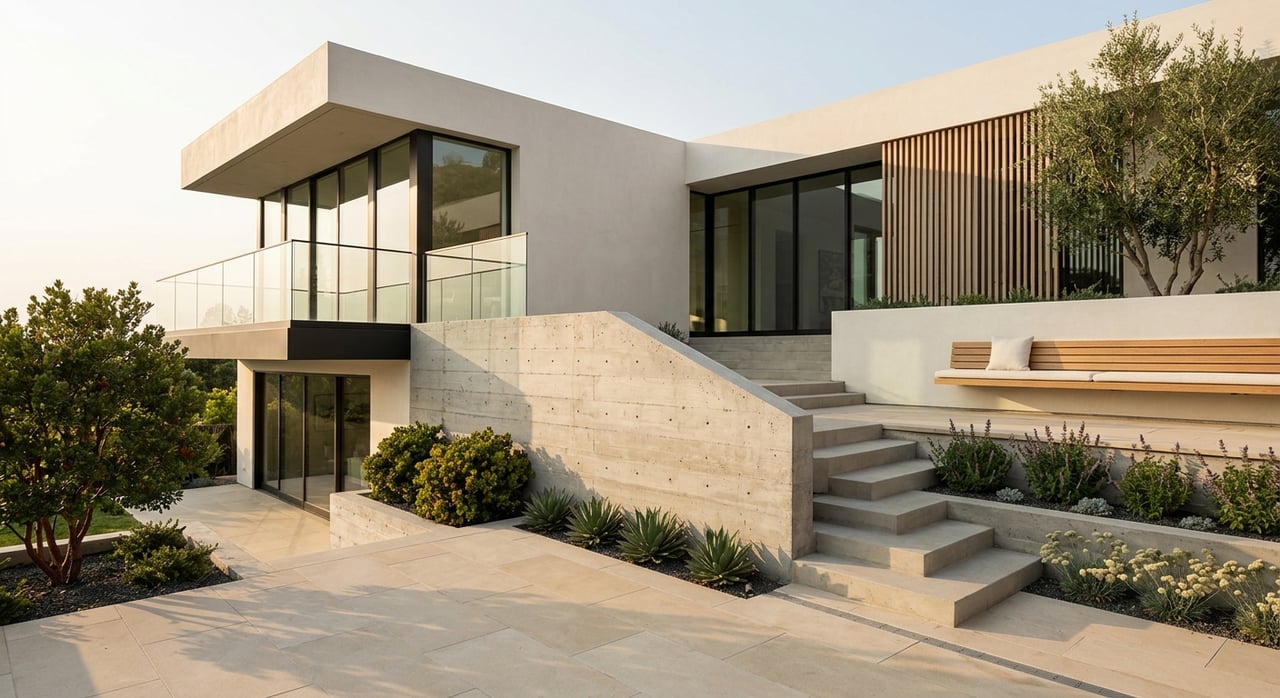
- No permanent structures: Raised planters, retaining walls, arbors, trellises, storage boxes, and seating are often discouraged or require explicit approval.
- Trees: New trees typically require a separate tree permit and must meet species and spacing standards. Expect conditions on root barriers and utility clearances.
- Irrigation and lighting: Underground irrigation or electrical runs require permits and must meet public works standards. Low-voltage, low-glare fixtures are typically preferred.
- Surfacing and drainage: Permeable materials are often encouraged for stormwater management. Follow city-approved materials and compaction standards.
A clean, low, drought-tolerant palette that keeps the path open is the safest baseline for approvals.
Sand Section character and design cues
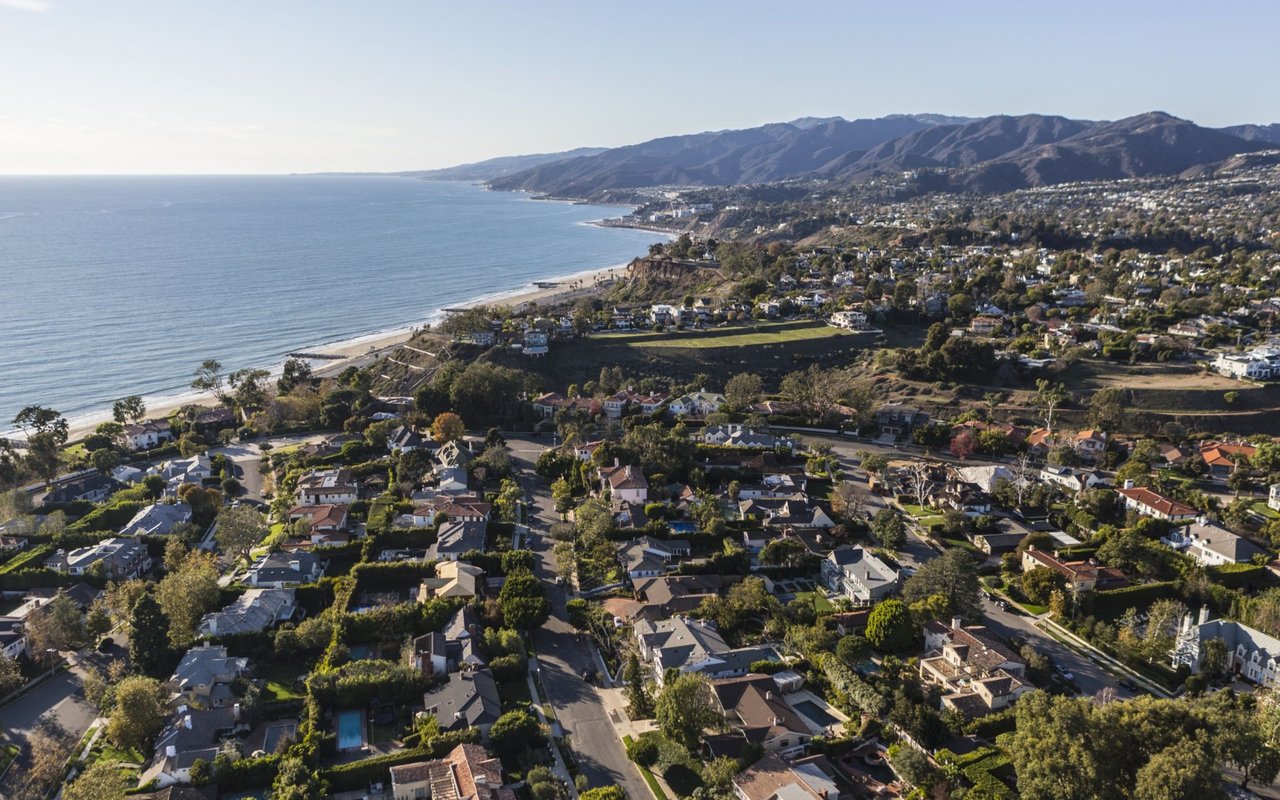
The Sand Section’s walk-streets are beloved for their beachward flow and open, communal feel. The city is protective of this character.
- Visual permeability: Favor plantings that feel open from the street to the sea. Avoid walls or tall hedges along the public edge.
- Removability: Prioritize elements that can be removed or adjusted if access needs change or utilities require work.
- Consistency: Coordinate with neighbors where possible to maintain a coherent pedestrian corridor to the beach.
When in doubt, design for simplicity, low height, and easy maintenance.
Step-by-step: How to do it right
Follow this high-level process to avoid rework and delays:
- Verify boundaries: Confirm where your property line ends and where the public right-of-way begins. Do not assume the verge is private.
- Pre-application consult: Speak with Manhattan Beach Public Works or Engineering about encroachment requirements, then check with Planning about Sand Section and coastal considerations.
- Prepare documents: Draft a site plan that shows property lines, the walk-street, utilities, and proposed plant and material locations. Include plant mature heights, irrigation details, and any edging or surface details.
- Address safety and access: Show a continuous, unobstructed pedestrian route, ADA considerations, and emergency access clearances in your plan.
- Submit the encroachment permit: Provide required forms, proof of insurance naming the city as additional insured, and any maintenance or indemnity agreements.
- Respond to conditions: Be ready to lower plant heights, remove structures, shift lighting, or change materials if requested.
- Build and inspect: Complete work to permit conditions. Expect a final inspection and ongoing maintenance obligations.
For larger or more permanent changes, allow extra time for Planning or coastal reviews.
Timelines, fees, and ongoing obligations
- Fees: Expect plan review and permit fees that vary by scope. Tree permits, design review, or coastal compliance can add cost.
- Timeline: Small, straightforward planting permits can move in weeks. Complex scopes or coastal-related reviews can take months.
- Maintenance and liability: You will likely be responsible for ongoing upkeep of permitted plantings. If an encroachment causes injury or damages utilities, you can be held responsible. The city can revoke a permit and require removal if safety or access is impacted.
Build contingencies into your schedule and budget for possible adjustments.
A designer’s checklist for Sand Section walk-streets
Use this quick planning checklist before you finalize a concept:
- Confirm right-of-way boundaries with the city.
- Ask Public Works which permits apply to your scope and materials.
- Consult Planning on Sand Section design expectations and coastal triggers.
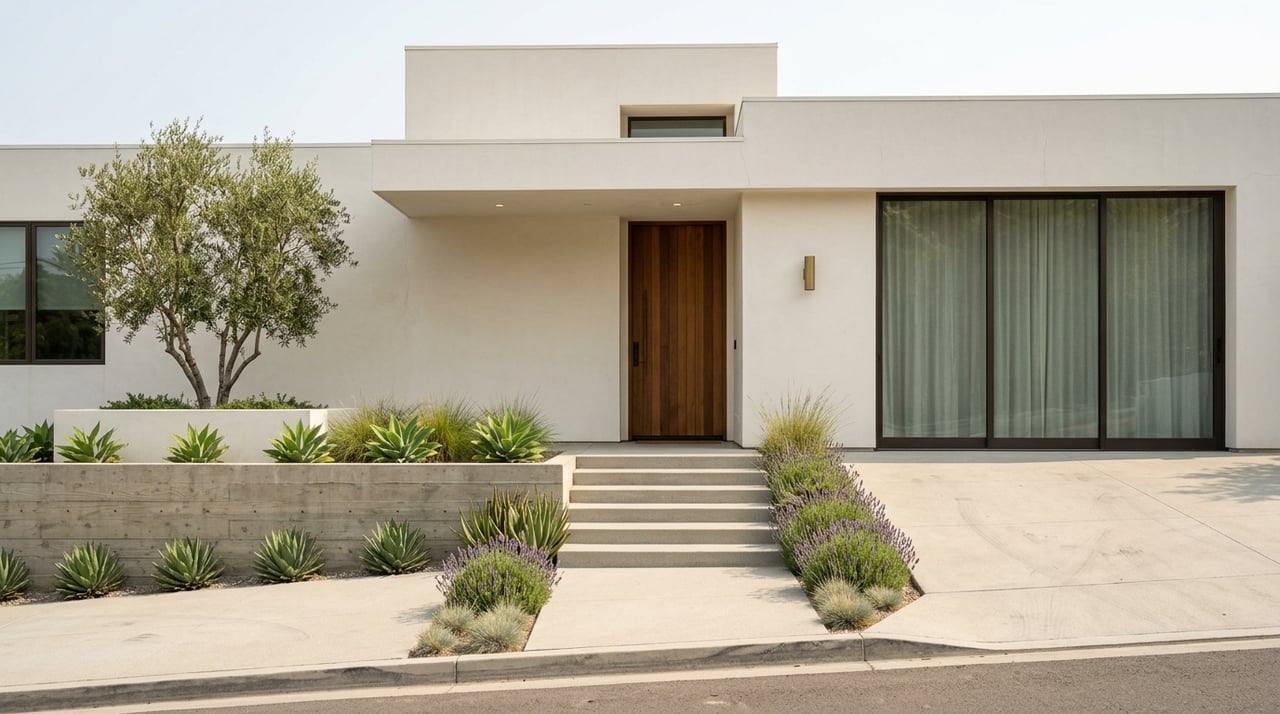
- Favor low, drought-tolerant groundcovers and succulents with modest mature heights.
- Avoid raised planters, walls, or storage along the public edge unless you are prepared for added review and conditions.
- Keep a continuous, unobstructed route of travel at all times.
- Choose permeable surfacing where feasible and show drainage on plans.
- If lighting is included, keep it low-glare, low-voltage, and note electrical safety in your submittal.
- Consult a certified arborist before proposing any tree. Plan for root barriers and utilities.
- Include a maintenance plan and be prepared to perform it or hire it out.
Document these items early to reduce back-and-forth during review.
Common pitfalls to avoid
- Planting tall hedges that block sightlines or narrow the path.
- Installing irrigation or lighting without permits or utility locates.
- Building semi-permanent seating or raised planters in the right-of-way.
- Ignoring ADA clear width or creating uneven walking surfaces.
- Skipping the pre-application call with Public Works and Planning.
Each of these can lead to delays, forced removals, or fines.
Selling soon? Address encroachments early
If you plan to sell a Sand Section home, take inventory of any right-of-way elements in front of the property.
- Disclose and confirm: Identify what sits in the public right-of-way and whether permits exist. Buyers and their lenders may ask for documentation.
- Course-correct: Where unpermitted features exist, consider regularizing them through permits or removing them before listing.
- Keep it simple: A compliant, low-profile frontage avoids last-minute negotiations and protects your timeline.
A clear, documented frontage can help your property show better and reduce risk at closing.
Your next steps
- Verify your lot line and the right-of-way boundary.
- Schedule a quick pre-application conversation with Public Works and Planning.
- Draft a low-profile concept that keeps the pedestrian route clear.
- Prepare the permit packet and be ready to adjust based on conditions.
If you are weighing improvements before a purchase or sale, an early strategy session can help you time upgrades and avoid surprises during escrow. Request Private Access — Call or WhatsApp Rajaa for a confidential consultation at High-End Estates.
FAQs
How does right-of-way affect Manhattan Beach walk-street landscaping?
- Much of the strip along walk-streets is public right-of-way. Private improvements there are encroachments that usually require a city permit and must preserve public access.
Do I need an encroachment permit for plants or edging in the Sand Section?
- Usually yes for anything placed in the public right-of-way, including plantings, edging, irrigation, lighting, or planters. Always confirm with Public Works before work begins.
What plant heights are allowed in the right-of-way near the beach?
- Many places limit plant height to preserve sightlines, often in the low shrub or groundcover range. Check Manhattan Beach’s current standards for exact limits.
Can I add a bench or raised planter along the walk-street?
- Permanent or semi-permanent features are frequently discouraged and usually require explicit approval. Removable, low-profile designs are more likely to meet conditions.
How do ADA rules apply to a walk-street landscape plan?
- You must maintain a continuous, unobstructed pedestrian route without trip hazards. Designs that reduce clear width or create uneven surfaces can be denied.
When could the Coastal Commission get involved in my frontage work?
- Significant or permanent changes that affect public beach access or visibility can trigger Coastal review or local coastal program compliance. Confirm with Planning early.
What happens if I landscape without permits along my walk-street?
- The city can issue a stop-work order, require removal and restoration at your expense, and assess fines. You could also face liability if an encroachment causes harm.