Manhattan Beach Walk Streets Buying Guide for Homebuyers
Dreaming of living steps from the sand where neighbors chat on porches and kids roll by on scooters? Manhattan Beach’s walk streets offer that rare beach-town rhythm, but the lifestyle comes with unique tradeoffs around access, parking, privacy, and permits. If you understand those details upfront, you can buy with confidence and protect your resale value. This guide walks you through what to expect, what to verify, and how to plan your purchase. Let’s dive in.
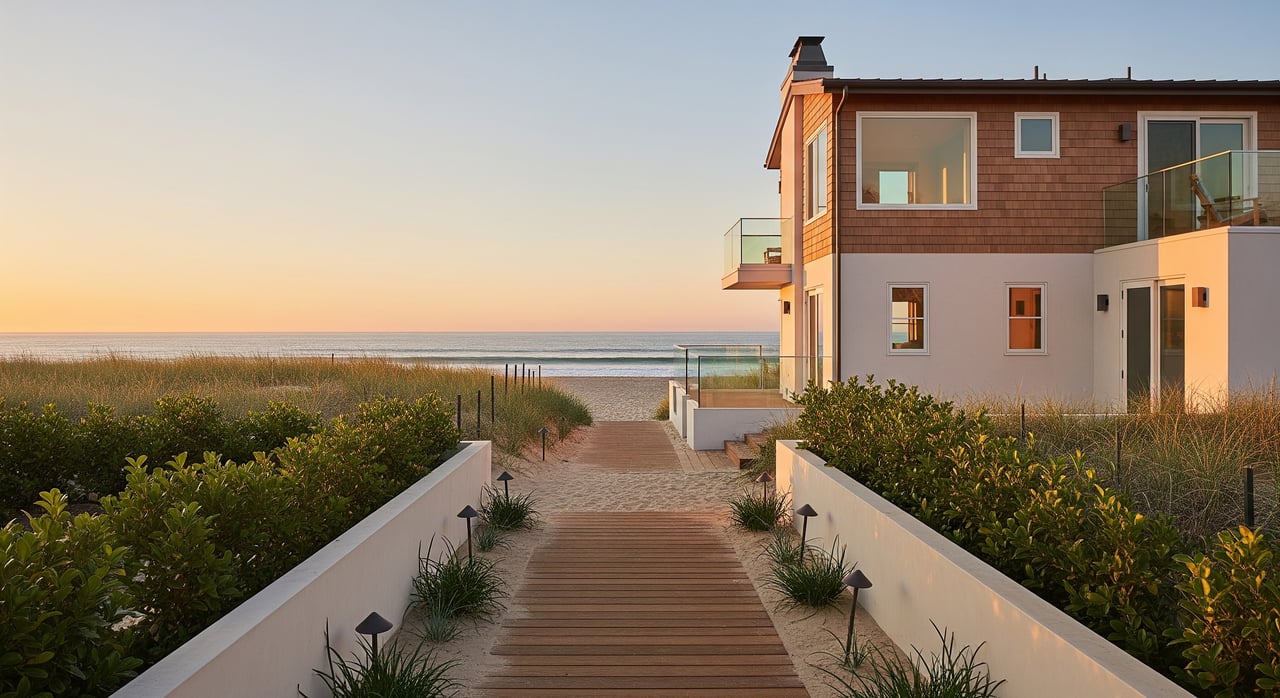
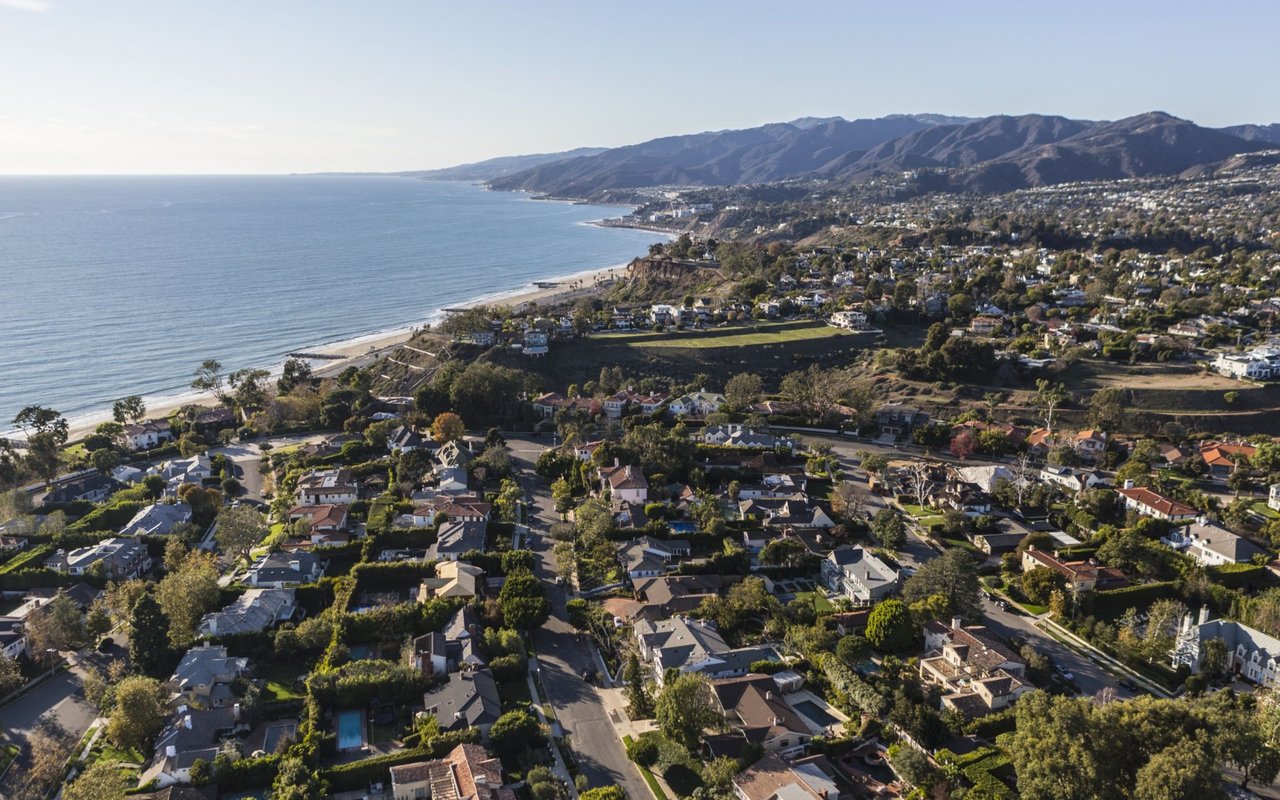
Walk streets are pedestrian-focused passages and small residential streets in Manhattan Beach’s Sand Section that link inland blocks with the Strand and the beach. Homes often sit close to the walkway, with front porches and gardens creating an inviting, social streetscape. The result is a quiet, highly walkable micro-neighborhood that favors people over cars.
Many walk-street homes were built in the early and mid-20th century, so lots and building envelopes can differ from conventional suburban patterns. That can affect how you park, where deliveries happen, and what is possible if you plan a renovation. If you need to confirm boundaries, public easements, or right-of-way details, contact the City of Manhattan Beach Planning Department and review the Municipal Code and official planning maps.
On most walk streets, your front door will not face a drive lane for vehicles. Garages, if present, are commonly accessed from side streets or alleys, and some properties do not include onsite parking. Street parking can be competitive, especially close to the beach, and some blocks use resident permits or time limits. Moving trucks and large deliveries may need special coordination because of narrow access and pedestrian traffic.
Plan ahead for everyday logistics. If you own larger vehicles or host frequent guests, walk the area at different times to gauge real parking availability. Ask the listing agent and seller how they handle moves, contractors, and package drop-offs so you can match expectations to your lifestyle.
Walk streets shine for outdoor living. Porches and small front yards open right onto the pedestrian way, so you feel connected to the neighborhood. Backyards can be compact. Many owners build up with decks or rooftop patios to extend their usable outdoor space.
Proximity to the ocean shapes your day-to-day experience. Breezes tend to be cooler, and the salt air can wear on metal fixtures and exterior finishes more quickly. Plan for regular maintenance and favor marine-grade materials where recommended.
Orientation matters. In the Northern Hemisphere, south-facing outdoor areas receive more sun through the day, while north-facing spaces are cooler with less direct light. If you are eyeing a rooftop deck or upper-level great room, consider how sun exposure and wind will affect comfort, shade needs, and HVAC use.
The same front-porch lifestyle that builds community can reduce privacy compared to a traditional front yard. Single-story homes near the walkway feel more interactive at street level, while upper-floor living areas can capture partial ocean views but add sightlines to and from neighboring windows.
When you tour, visit at different times of day and on weekends to understand pedestrian volume, noise, and privacy. Check bedrooms and baths for visibility from the walkway and nearby homes. Look at existing landscaping, fences, and gate conditions to see what screening is already in place. If you plan to add hedges, trellises, privacy glass, or awnings, verify permit needs with the City before you buy.
Salt spray and humidity can accelerate corrosion on railings, exterior lighting, HVAC equipment, and fasteners. Budget for more frequent upkeep and replacements. Choose drought- and salt-tolerant landscaping, and stay current on local water-use rules when planning planting and irrigation.
South of Manhattan Beach Boulevard, closer to the Pier and downtown, walk streets typically appeal to buyers who want immediate access to restaurants, shopping, and an iconic beach-town core. These blocks have stronger pedestrian activity and often command a market premium given proximity to the Pier and downtown amenities. Expect more competition for parking and higher visitor presence during peak times.
North of downtown, closer to El Porto, the vibe is generally more relaxed with an emphasis on direct beach and surf access. You may encounter fewer visitors compared to Pier-adjacent blocks, and driving access to major routes can feel easier depending on the block. Pricing and activity vary street by street, so focus on recent, hyperlocal comparables when you evaluate value.
What to weigh as you compare:
Walk-street homes attract a focused buyer pool that values walkability, beach access, and the neighborhood feel. This niche can support strong premiums for the right property and location. The flip side is a smaller mainstream buyer base that prioritizes large yards, driveways, or conventional garages. Aim for features that widen your future buyer pool without sacrificing what makes the location special.
If you plan to remodel or rebuild, confirm rules early. Some properties sit within the Coastal Zone and may require a Coastal Development Permit or coordination with the California Coastal Commission for substantial changes. Older homes may be grandfathered with setbacks or lot coverage that do not match current code, and a teardown can trigger new development standards such as height and floor-area-ratio limits. In some cases, historical or design-review processes can influence exterior changes.
Beach-adjacent properties can face coastal flooding risk and long-term sea-level-rise exposure. Review FEMA flood maps and ask your insurance providers about availability and cost of flood coverage. Factor salt-air corrosion into your operating budget, and consider having a contractor experienced with coastal properties evaluate foundations, exterior finishes, and metalwork.
Use this quick reference to keep your process focused and efficient.
Before writing an offer
During escrow
Post-purchase planning
Buying on the walk streets is as much about lifestyle fit as it is about due diligence. You deserve a team that blends on-the-ground expertise with white-glove execution. We guide you through block-level comparisons, verify permits and easements, and coordinate with City departments so there are no surprises after closing.
For competitive situations, we bring broker-led strategy, off-market reach, and precise negotiation to help you secure the right home. If you are exploring value-add potential, we connect you with coastal-savvy contractors and align your plans with zoning and coastal requirements. Whether you want a quiet north-end block or the energy near the Pier, we tailor your search to your life.
Ready to explore the walk streets with a trusted guide? Connect with the team at High-End Estates for a confidential consultation and private access to curated opportunities.
No matter where you are in the buying or selling journey, we’re here to answer your questions and provide expert advice. Contact us today, and let’s make your next move a success.
High-End Estates | CA DRE# 0225