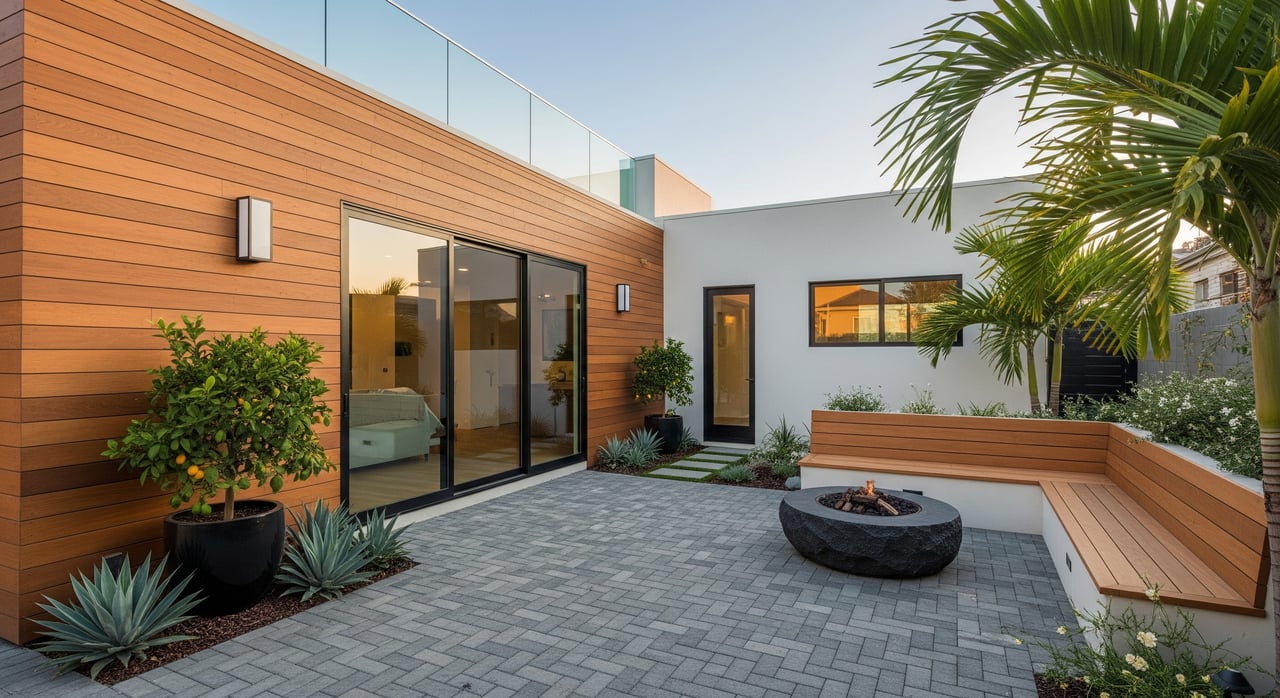
Santa Monica ADU Rules: A Clear, Strategic Guide for Owners
Thinking about adding a backyard home in Santa Monica? Whether you want rental income, space for multigenerational living, or a value-add upgrade, an accessory dwelling unit can be a smart move. In this guide, you’ll learn what you can build, how parking works, where coastal or historic rules might apply, what approvals to expect, and a simple checklist to start your plan. Let’s dive in.
California sets the baseline for ADUs. Cities must allow ADUs through a streamlined, ministerial review that focuses on objective standards. Santa Monica can apply its own size, height, setback, and design rules as long as they do not conflict with state law or effectively block ADUs.
Some areas in Santa Monica include extra layers. Properties in the Coastal Zone or within historic districts can face added reviews and longer timelines. Always confirm the latest Santa Monica Municipal Code and check with Planning and Building staff before you finalize a design.
ADUs come in several forms. Choosing the right type depends on your lot, budget, and goals.
State law guarantees at least one ADU on a legally established single-family lot. Multifamily properties may allow more than one, especially through conversions of existing spaces. Santa Monica can provide additional allowances, so confirm the maximum for your parcel with a planner early.
If you already have a garage or accessory building, a conversion can be efficient. Conversions often avoid some new-construction standards and may simplify parking and utility questions.
Santa Monica sets local caps on floor area, height, and setbacks for ADUs. These rules vary by ADU type and lot conditions. Lot coverage and floor-area-ratio can also affect your design.
Second-story detached units and rear-yard placements can be sensitive to height and setback limits. If your property is in a historic area or a special overlay, design compatibility and placement may face additional review.
State rules limit how much parking a city can require for ADUs. Many conversion projects and properties near public transit do not need new on-site parking. Since Santa Monica has many transit-served areas, your project may qualify for a parking waiver.
Residential permit zones and limited curb space can still affect daily convenience. Map your walking distance to major transit and review the city’s ADU parking standards before finalizing plans.
Your ADU must meet building-code access and egress standards, including safe fire exits. Narrow side yards, stairs, and path-of-travel constraints are common design challenges. Check for recorded easements, shared driveways, or access rights that could impact your layout.
State rules restrict some impact and connection fees for smaller ADUs, especially conversions. Larger detached units may still pay proportional connection or capacity fees for water, sewer, and power. Some projects benefit from reduced or deferred fees, depending on size and configuration.
Plan early for service upgrades or separate meters if you intend to rent the ADU. Confirm current fee schedules and utility requirements with Santa Monica’s Building & Safety and Planning teams.
Most ADUs are approved ministerially. You submit plans, the city checks objective standards, and permits are issued if you comply. This route avoids public hearings and cuts down on uncertainty.
Certain conditions can trigger extra review. Properties in the Coastal Zone often need a Coastal Development Permit. Historic properties usually need design review. Requests that exceed objective standards, or some multifamily proposals, can face added steps. These reviews can add weeks or months, and may require more detailed drawings.
State law sets expedited timelines for ministerial ADU reviews. You can generally expect a faster decision than a discretionary project, but plan check and building permits still take coordination and time.
Santa Monica maintains strict short-term rental rules. Many ADUs cannot be used as transient lodging and must follow local registration and primary-residence rules. For long-term rentals, you must comply with state and local tenant protections and rent regulations where applicable.
An ADU can increase property value and long-term flexibility. The lift depends on size, quality, design, and rental potential. If you plan to rent, build your pro forma with realistic rents, operating costs, and financing terms.
Owners often finance ADUs with cash, home-equity loans, construction loans, or a refinance. Lender terms vary by borrower profile and projected income. If you plan to lease the ADU, underwriters may credit part of the expected rent.
Get bids from a local ADU-experienced architect and contractor to anchor your budget. Pair hard costs with soft costs, contingency, and carry to avoid surprises.
Use this quick list to gauge feasibility and save time.
If you see an ADU in your future, a clear plan and the right team will protect your budget and timeline. Our brokerage understands how ADUs affect resale, rental strategy, and long-term optionality across Santa Monica neighborhoods. We help you quantify value-add potential, align financing with your goals, and position your property for future sale or lease.
For confidential guidance on your ADU and broader real estate strategy, connect with High-End Estates. Request Private Access, and speak directly with leadership about your plan.
No matter where you are in the buying or selling journey, we’re here to answer your questions and provide expert advice. Contact us today, and let’s make your next move a success.
High-End Estates | CA DRE# 0225