Leave a Message

Thank you for your message. We will be in touch with you shortly.

Best Time to List a Santa Monica Condo

Trying to time your condo sale in Santa Monica? The right launch window can change your outcome, from how fast you sell to how many offers you attract. You want clarity on when buyers are most active, how much inventory you will face, and what to do in the weeks before you hit the MLS. This guide breaks down the seasonal patterns, practical prep timeline, and smart listing tactics that work in Santa Monica’s condo market. Let’s dive in.

Why timing matters in Santa Monica

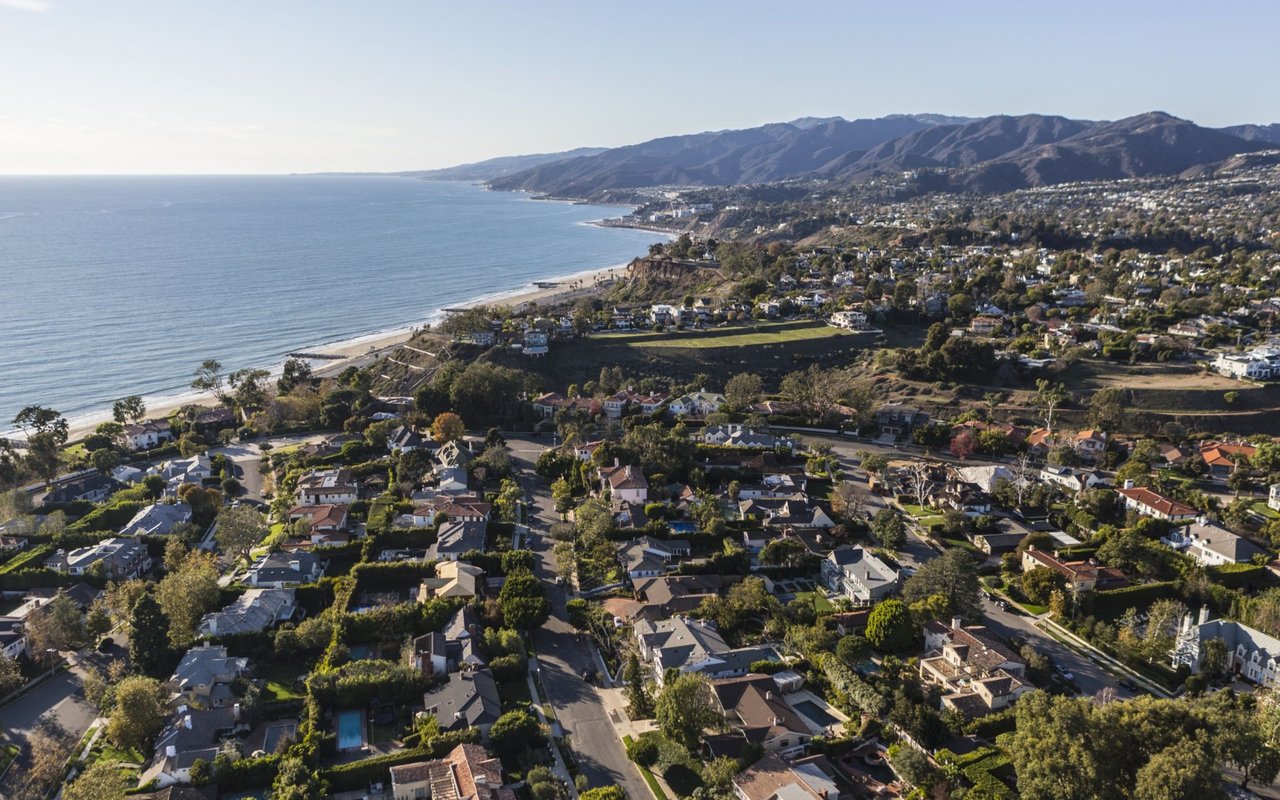
Santa Monica is a coastal, amenity-rich micro-market. Proximity to the beach, Third Street Promenade, the Pier, and job centers around Silicon Beach keeps buyer interest steady year-round. That demand comes from professionals, downsizers, and some investors.

For condos, building details matter. HOA reserves, special assessments, rental policies, and move logistics can shape buyer confidence and closing timelines. Walkability and transit access, especially near the Metro Expo Line and key bus routes, often rank high for condo buyers.

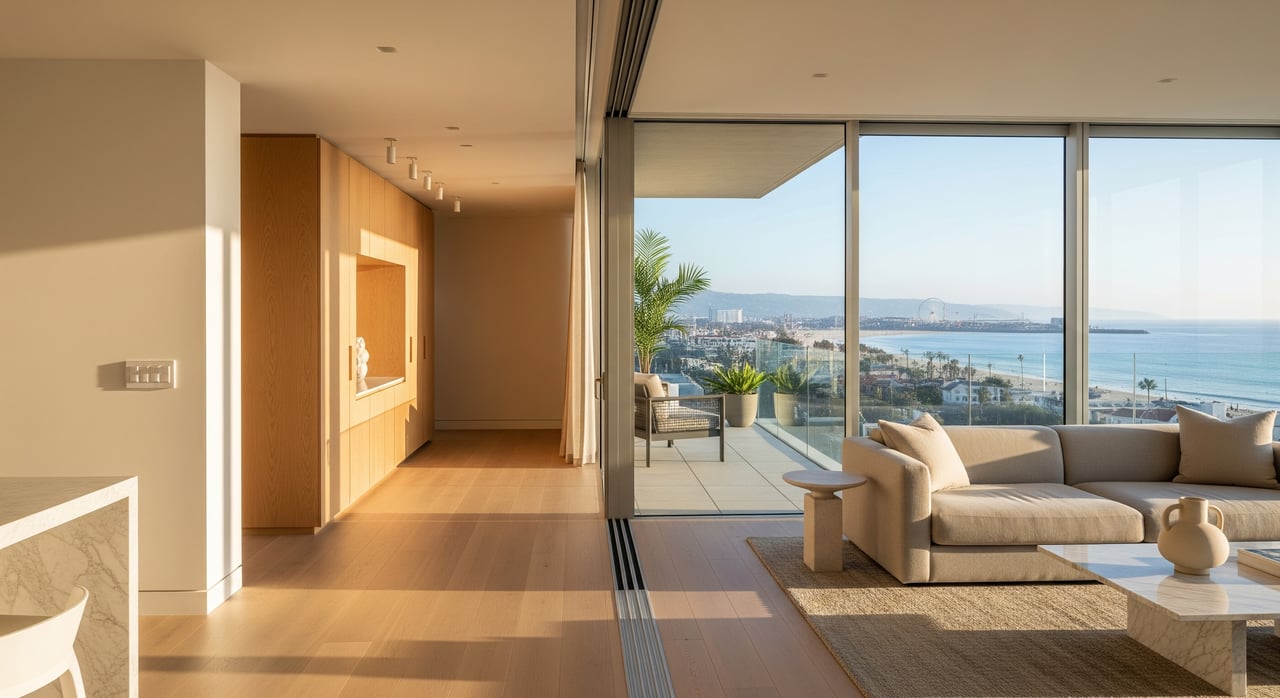
Because the weather is mild, Santa Monica’s selling season runs longer than many inland areas. Spring and early summer see the strongest activity, but fall remains meaningful. Ocean views, outdoor space, and great light photograph beautifully almost any time, which helps listings stand out.

Best months to list

Primary window: late February through May

This period typically delivers the largest buyer pool and strong pricing dynamics. Inventory is growing but has not yet peaked, which helps your condo stand out. If you want maximum exposure and the best shot at multiple offers, this is your first choice.

Secondary window: late August through October

After summer, serious buyers re-engage and inventory often dips from its highs. This creates a solid opportunity for sellers who missed spring or need to align with personal timelines. Fall buyers tend to be focused and decisive.

Niche opportunities

  • January to early February: works if inventory is very low and your condo is move-in ready with realistic pricing.
  • Mid-November to December: usually not ideal. It can work for high-end, beautifully staged units that target a smaller pool of serious buyers.
  • Any time: if mortgage rates improve, inventory drops quickly, or a local job announcement boosts demand, you can benefit from listing outside the usual windows.

When to wait

Delay listing if you face an HOA special assessment, major building work, or needed repairs that will impact buyer perception. It can pay to complete key fixes and staging first. If mortgage rates jump sharply and you have flexibility, waiting for conditions to settle may broaden your buyer pool.

Read the market 30–60 days before you list

Watch a few simple indicators so you can fine-tune your launch date and pricing:

  • New listings and months of inventory in Santa Monica
  • Pending sales and days on market
  • Sale-to-list price trends
  • Local mortgage rates and lending conditions
  • HOA updates on reserves, projects, or assessments

If pending sales are rising while new listings fall, conditions are improving for sellers. If many similar condos hit at once, sharpen your pricing and marketing to highlight what is unique about your unit.

Prep timeline: 6–8 weeks to launch

4–8 weeks out: set the foundation

  • Order HOA documents early: CC&Rs, bylaws, reserve study, financials, meeting minutes, and rules.
  • Confirm how your unit aligns with Santa Monica’s short-term rental rules and prepare clear statements for buyers.
  • Request a comparative market analysis and suggested list price range.
  • Consider a pre-listing inspection if you suspect major issues.
  • Plan staging, paint, lighting upgrades, hardware swaps, and minor fixes.
  • Verify building move rules: elevator reservations, deposits, parking permits.

2–4 weeks out: elevate presentation

  • Complete targeted repairs and cosmetic refreshes.
  • Schedule professional photography. Plan daylight and twilight shots to capture ocean light, views, and outdoor spaces.
  • Finalize staging. Set the scene for airy, coastal living.
  • Prepare California disclosures: Transfer Disclosure Statement, Natural Hazard Disclosure, and HOA disclosures.
  • Coordinate a termite report if helpful.

0–7 days out: finalize launch

  • Deep clean and do a last staging walkthrough.
  • Build a concise marketing packet: HOA highlights, parking and storage details, pet policy, amenities, transit access, and distance to the beach and Promenade.
  • Set your open-house schedule. Consider a broker preview to activate local networks.
  • Lock pricing, showing instructions, and a day-of-week launch plan.

Closing-window planning

  • Line up HOA resale/estoppel documents for escrow.
  • Confirm the buyer’s loan program and any condo project eligibility needs.
  • Reserve elevator time and move-in windows per HOA rules.

Launch-day tactics that work

  • Go live on a Tuesday or Wednesday to build momentum into the weekend.
  • Host at least one strong open-house weekend in the first two weeks.
  • Offer flexible showing windows for relocators and out-of-area buyers.
  • Lead your marketing with lifestyle: walkability, Expo Line access, beach proximity, and any standout views or outdoor living.
  • Share HOA highlights upfront: pet policy, parking, amenities, and recent capital improvements.

Pricing and offers

In an active spring market, a sharp price can drive traffic and spark multiple offers. In softer conditions, price a touch more conservatively to avoid long days on market and price fatigue. Pair pricing with a clear plan for adjustments if you miss early signals.

Expect buyers to probe HOA reserves, assessment history, building systems, and rental rules. Be ready with documentation. Clarify parking rights, storage, and any current or planned building work.

Legal and disclosure essentials

California sellers provide the Transfer Disclosure Statement, Natural Hazard Disclosure, and standard state forms. Condo sales also require HOA documents and often a resale certificate or estoppel. Start early since these can take time.

Santa Monica enforces strict short-term rental rules and registration requirements. Make sure your statements about permitted use are accurate and complete. Some condo projects have limited eligibility for certain loan types. If your buyer needs that option, provide project documentation quickly to keep escrow on track.

Putting it together

If you can, target late February through May. You will catch peak buyer activity before summer inventory tops out. If that timeline does not fit, late August through October is your next-best window with focused buyers and less competition than midsummer.

Start prep about two months before your go-live date. Secure HOA documents, complete smart cosmetic updates, and plan photography to show your condo at its best. Watch local inventory, pending sales, and mortgage rates in the final weeks and adjust strategy to meet the moment.

Ready to map your listing window, prep plan, and market strategy around your building and floor plan? Connect with the broker-led team at High-End Estates for a private, data-backed plan. Request Private Access — Call or WhatsApp Rajaa for a confidential consultation.


FAQs

What is the best month to list a Santa Monica condo?

  • Late February through May is the primary window for buyer traffic and pricing power. A solid secondary window runs from late August through October.

Is winter a bad time to list a condo in Santa Monica?

  • November and December usually bring the smallest buyer pool. January to early February can work if inventory is very low and your condo is turnkey with realistic pricing.

How do HOA issues affect my timing and price?

  • Pending assessments, low reserves, or major building projects can slow sales or reduce offers. Resolve what you can and disclose early to build buyer confidence.

What prep adds the most value before listing a condo?

  • Fresh paint, lighting upgrades, hardware swaps, deep cleaning, and polished staging. Professional day and twilight photography can showcase light, views, and outdoor space.

Do Santa Monica short-term rental rules impact condo sales?

  • Yes. Rules are strict and must be disclosed. Clear, accurate statements about permitted use help investors and owner-occupiers evaluate your unit.

Should I wait to list until mortgage rates drop?

  • If you have flexibility, watching rates can help. Also track new listings and pending sales. Improving demand or falling inventory can offset higher rates.

Get Expert Advice Today

No matter where you are in the buying or selling journey, we’re here to answer your questions and provide expert advice. Contact us today, and let’s make your next move a success.