Dreaming of a glass-walled view home in the Hollywood Hills? Before you fall for the panorama, you need to know how Los Angeles hillside rules shape what you can build, where you can build it, and how much it will cost. These rules influence design, grading, height, engineering, permits, and even your resale story. In this guide, you will learn what the Baseline Hillside Ordinance means for Hollywood Hills lots and homes, how to plan a compliant project, and how to protect your budget and future value. Let’s dive in.
Hillside rules in plain English
The City of Los Angeles uses the Baseline Hillside Ordinance, often called the BHO, to manage residential development on steep terrain. The goal is to reduce grading, protect slopes and ridgelines, control visual bulk, and lower landslide and erosion risks. For you, that means the BHO sets the playbook for setbacks from slopes, how height is measured, how much earthwork is allowed, and which technical reports and approvals you must secure before building or adding on.
Bottom line: hillside rules can affect feasibility, timeline, cost, insurance, financing, and future marketability. A great view can still be a smart buy, but only if you understand the ground under your feet.
Slope: what changes when land tilts
Steep ground is the first trigger that brings hillside regulations into play. When a parcel or part of it meets the city’s slope thresholds, special standards and reviews apply.
Design impacts
- Buildable area often shrinks as slopes get steeper, so yards and flat pads are limited.
- Foundations may need piers, piles, or stepped footings to handle variable soil and rock.
- Driveways can require careful alignment, retaining walls, or switchbacks to meet access and safety needs.
Engineering requirements
- A geotechnical report is typically required for hillside projects to study stability, groundwater, and foundation design.
- Drainage and long-term stabilization plans help prevent erosion and slope movement during and after construction.
- Your design team will use these findings to shape the footprint, structural system, and site work.
Grading: cut, fill, and retaining walls
Earthwork is a major cost and risk driver in the Hills. The City requires grading permits above certain thresholds, and a civil engineer must prepare grading plans for review by Building and Safety.
- Excessive cut or fill is discouraged and can trigger added reviews or mitigation.
- Retaining walls above set heights require structural plans and permits, and some walls are reviewed by both Building and Safety and Planning.
- Erosion control and stormwater measures are required during construction and for the finished site.
What this means for you: hauling, retaining walls, and deep foundations can dominate budgets and extend timelines. If you plan to expand an existing home, grading limits can make or break feasibility.
Height and massing: fitting the envelope
Hillside rules define how height is measured, often from natural or finished grade, and they set limits to reduce bulk and protect ridgelines.
- Designers work within a height envelope shaped by slope and neighboring grades. This often leads to lower profiles, split levels, stepped roofs, or partially buried floors.
- Ridgeline protection discourages building on prominent crests that dominate the skyline.
- Setbacks from streets and slope faces change how many stories are exposed and can influence where windows and decks are placed.
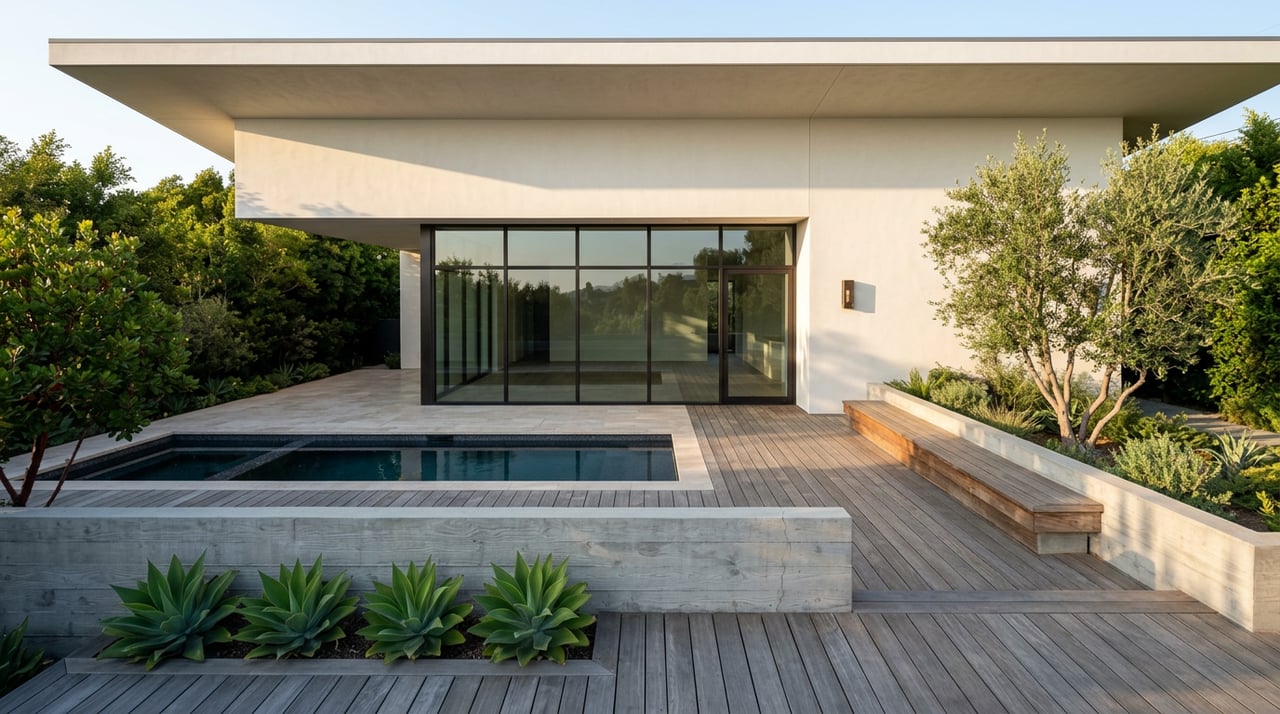
To keep views while staying compliant, architects often use cantilevers, larger glazing on lower profiles, and careful terracing that respects the envelope and daylighting rules.
Other overlays and constraints to check
Hillside lots can involve more than slope, grading, and height. You will want to verify:
- Tree protection rules that may require an arborist report and mitigation before removal.
- Discretionary Planning reviews if you request exceptions or if the site is in a sensitive area.
- Easements, right-of-way, and utility constraints, which can affect location of walls, driveways, and even off-site improvements.
Permits and process: how projects move
A successful hillside project starts with thorough due diligence. Expect more steps than a flat-lot build and plan your timeline accordingly.
Typical steps
- Parcel research: confirm zoning, overlays, hillside applicability, and any open cases using city resources or with the help of a planner.
- Site data: order a topographic survey and schedule a site walk with an architect and a geotechnical engineer.
- Technical reports and plans: your team prepares the geotechnical report, grading plan, structural drawings for foundations and retaining walls, and architectural plans that prove compliance with height and setback rules. Include an arborist report if protected trees are present.
- City reviews: submit grading plans to Building and Safety, then proceed to building permit review for structural, mechanical, and electrical scopes. If your design needs special approvals, Planning will conduct a separate review.
Time and cost drivers
- Volume of earthwork and the number and height of retaining walls.
- Deep foundations or groundwater mitigation recommended by the geotechnical engineer.
- Access logistics such as haul routes, narrow streets, and staging limits.
- Quality of submittals and responsiveness during plan check, plus any neighbor objections.
Small permitted work or modest additions can often be measured in months. A new home or substantial grading can extend to several months or beyond a year, depending on complexity and required reviews.
Resale, financing, and insurance realities
The right hillside home can command premiums for view, privacy, and architecture. Still, hillside conditions narrow the buyer pool and buyers will scrutinize the underlying engineering and permits.
- Financing and appraisal: lenders and appraisers tend to look closely at permit history, geotechnical documentation, and any unusual encumbrances such as shared access or maintenance agreements. Some lenders add conditions for steep sites or unique foundations.
- Insurance: costs can run higher where landslide, debris flow, or slope-related claims are possible. Insurers may require specific protective measures to maintain coverage.
- Disclosures and title: sellers must disclose known hazards, past slides, and unpermitted work. Easements for utilities, drainage, or access are common and can limit where you build or how you maintain improvements.
- View protection: in California, views are not guaranteed by default. Protection usually comes from recorded agreements, HOA documents, or conditions imposed in approvals, not from a general right to a view.
Buyer checklist for Hollywood Hills lots
Use this short list to focus your due diligence before you write an offer or during contingencies.
- Parcel research and records
- City parcel report noting zoning, overlays, hillside applicability, and any active cases.
- Preliminary title report showing all easements and recorded restrictions.
- Structural and site history
- Any existing geotechnical reports and updates for the lot or home.
- Grading permit history and as-built grading plans for the current site condition.
- Building permits and final sign-offs for the home and retaining walls.
- Engineering reports for slope stabilization, if any.
- Physical walk-through
- Retaining walls: look for cracks, bulging, or leaning and note drainage weep holes.
- Drainage paths: confirm water has a clear route away from structures and slopes.
- Driveway slope, turnaround space, and emergency access. Note on-street parking limits.
- Adjacent slopes: check for erosion, scarps, or signs of prior movement.
- Cost and risk questions
- Ballpark costs to repair or replace walls and drainage, if needed.
- Any required monitoring or maintenance covenants for long-term stability.
- History of landslides or insurance claims on the property or immediate area.
- Permits and approvals
- Verify that major exterior work was permitted and finaled. If not, get estimates to bring it into compliance.
- Ask about recent or approved permits on neighboring parcels that could affect your drainage, privacy, or views.
Red flags to pause on
- Missing geotechnical report where one should exist for past work.
- Unpermitted retaining walls, undocumented fill or cut, or major work without final inspections.
- Visible signs of slope movement such as separated hardscape, tilted walls, or chronic sheet flow across the site.
- Complex shared walls or drainage without clear, recorded maintenance responsibilities.
Who to involve for clear answers
- Architect with hillside experience in Los Angeles to translate rules into design options.
- Licensed geotechnical engineer for site stability, groundwater, and foundation recommendations.
- Licensed civil engineer for grading, drainage, and retaining-wall design.
- Building and Safety and City Planning staff for permit history, submittal checklists, and required processes.
- Title company and a real estate attorney to review easements and maintenance covenants.
Bringing it together
A Hollywood Hills view can be extraordinary, but the terrain sets the terms. If you respect the slope, plan grading and drainage early, and design within the height envelope, you can reduce risk and protect value. The best outcomes come from disciplined due diligence, the right design team, and a clear permitting plan before you commit to a purchase or a major build.
If you want strategic guidance tailored to a specific lot or permit path, connect with the team that handles hillside deals with discretion and speed. Request Private Access and a private consult with High-End Estates to evaluate feasibility, off-market options, and your best path to a compliant, market-ready home.
FAQs
What is the Baseline Hillside Ordinance in Los Angeles?
- It is a set of city regulations for residential development on hillside lots that limits grading, controls height and bulk, protects ridgelines, and reduces landslide and erosion risks.
How do hillside rules affect building height in the Hollywood Hills?
- Height is measured relative to site grades and controlled by an envelope that often leads to split levels, stepped roofs, and careful placement to avoid ridgeline impacts.
Do I always need a geotechnical report for a Hollywood Hills project?
- Most hillside projects require a geotechnical report to evaluate stability, groundwater, and foundation design, and it is a key document for permit review.
Why is grading such a big cost factor on steep lots?
- Earthwork, retaining walls, deep foundations, and hauling can dominate budgets and timelines, and excessive grading can trigger extra reviews or mitigation.
Are my views protected when I buy a Hollywood Hills home?
- California generally does not grant an automatic right to a view, so protection usually comes from recorded agreements, HOA rules, or conditions from approvals.
What should I verify before I buy a hillside home in Los Angeles?
- Confirm permit history, grading and geotechnical reports, easements, drainage plans, and the condition of retaining walls, then get cost estimates for any needed fixes.