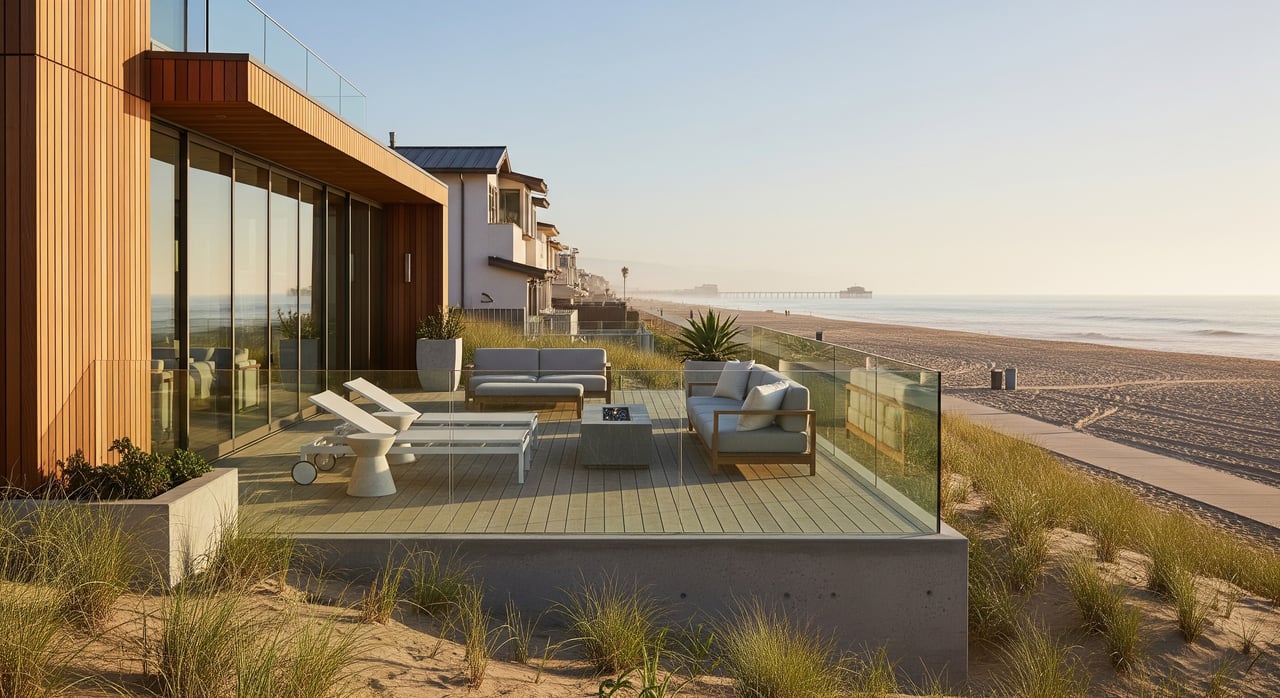
Manhattan Beach Strand Living: A Local Buyer’s Guide
Imagine waking up to soft coastal light, grabbing a board or bike, and being on the sand in minutes. If you have been daydreaming about life along the Manhattan Beach Strand, you are not alone. This stretch of beachfront path shapes daily routines, neighborhood rhythms, and real estate decisions in a big way. In this guide, you will see what life near the Strand really feels like, where it varies by micro-area, what homes to expect, and the practical tradeoffs to weigh. Let’s dive in.
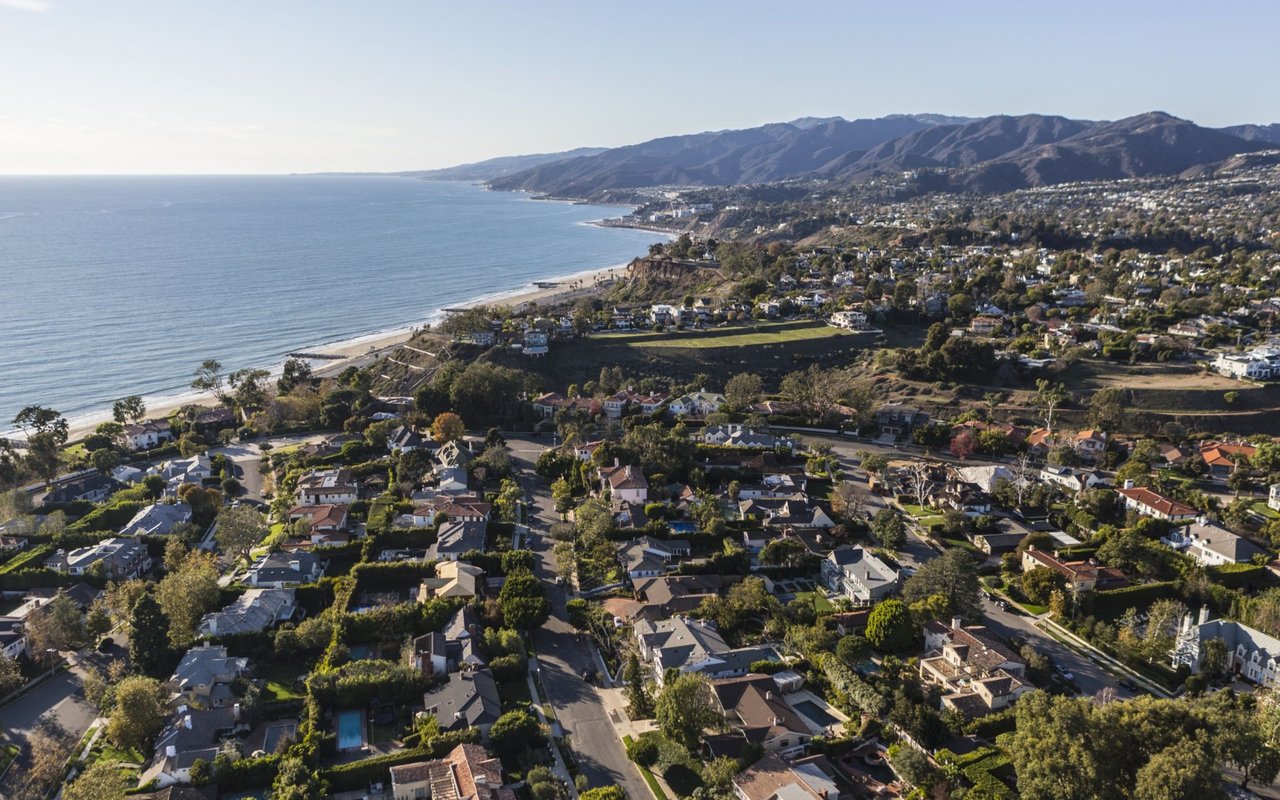
When you live near the Manhattan Beach Strand, the beach is your front yard and the promenade is your daily corridor. The Strand is a paved path along the sand used for walking, running, and biking, with constant views and ocean air. Your routine shifts toward outdoor time, whether that is a sunrise jog, a post-school stroll, or a quick pedal to dinner. Most residents think in walk times, not miles, like direct access, a 1–5 minute walk, or a 5–15 minute walk to the pier or downtown.
Fitness and social energy are part of the picture. You hear bike bells, volleyball serves, and the occasional cheer when the sun drops behind the pier. Summer brings more visitors and activity, while off-season weekdays feel more relaxed and local focused.
Mornings start early here. Surfers head to the lineup, joggers log sunrise miles, and you will see neighbors walking dogs where rules allow. Coffee runs are a way of life, with cafés and casual breakfast spots clustered near downtown and along nearby streets.
Afternoons and evenings are for sunset walks, pickup volleyball, and family time at the pier. The pier area includes casual sightseeing and an aquarium. On weekends, expect more visitors and fuller sidewalks, especially in summer. Nearby parks, playgrounds, and year-round community events add family-friendly options.
The north end near El Porto is known for its surf break and a casual vibe. Lots are often smaller, and you will find more condos and apartments mixed in with single-family homes. The scene skews fitness forward with a younger feel, and day-to-day life can be very surf centric.
Around the pier and downtown, you get the highest concentration of dining, coffee, and shopping. It is lively, especially on weekends and holidays. Families appreciate the walkability, though you should plan for more foot traffic, event noise at times, and tighter parking near the core.
Farther south, the Strand transitions toward quieter pockets and transitional neighborhoods. You still get quick beach access and bikeability, but with a more relaxed pace than the pier zone. Many buyers like this balance of access and a little more breathing room.
You will find a mix of single-family beachfront or oceanfront homes, bluff-top houses with elevated views, and condos or townhomes a block or two inland. Direct Strand or oceanfront homes are limited and command a premium for access and views. One to a few blocks inland, condos and townhomes are more price accessible relative to the water’s edge, yet still carry a lifestyle premium.
In this market, you are often paying for views, location, and outdoor access more than raw square footage. Storage for boards or bikes, view corridors, and parking are top priorities. In El Porto, smaller coastal condo buildings can be relatively more affordable compared with other beachfront sections.
Short-term rental rules vary by city, and many LA-area beach communities, including Manhattan Beach, have local regulations. If you are considering rental income, verify current ordinances and any HOA restrictions before you buy. Long-term rental demand near the Strand is often strong, but the details come down to the specific property and municipal rules.
Pros
Cons
Beach and Strand use is governed by city ordinances. Typical rules cover hours, permitted activities, alcohol and smoking policies, right-of-way on the path, and how e-bikes are treated. Dog rules can differ by stretch and season, so you should confirm current guidance before planning routines with pets.
Coastal properties can fall under special regulatory overlays. Renovations or additions may require coastal permits or design review, and floodplain maps can affect insurance. Lifeguards cover main beaches and the pier area, and conditions can change during storms or high surf.
If you live near the Strand, it helps to track city advisories during storm season, know evacuation routes, and keep a simple emergency plan.
For short trips, most residents walk or bike along the Strand and neighborhood streets. That cuts stress when visitor parking fills up near the pier and beach. Public transit is more limited than central LA, so many people drive for longer commutes. Within the South Bay, biking to nearby destinations is very feasible, and it often saves time during peak weekends.
Use this quick list when you tour Strand-adjacent homes:
If you thrive on outdoor time, quick beach access, and a built-in fitness routine, the Strand lifestyle fits well. Expect a tradeoff between energy and privacy, especially near the pier during peak months. If you want a calmer feel, the south end or pockets a few blocks inland may be a better match.
Families often consider walkability and local amenities, and many buyers also review district and city resources while comparing neighborhoods. The right block can make all the difference, so spend time at different hours to confirm the rhythm you prefer.
If you want direct access to the sand, a lock-and-leave condo, or a private off-market option, you will benefit from a local, broker-led search. Our boutique team pairs neighborhood mastery with discreet inventory and concierge guidance from first tour to close. For a confidential consultation and private access to opportunities near the Strand, connect with High-End Estates. Request Private Access — Call or WhatsApp Rajaa for a confidential consultation.
No matter where you are in the buying or selling journey, we’re here to answer your questions and provide expert advice. Contact us today, and let’s make your next move a success.
High-End Estates | CA DRE# 0225