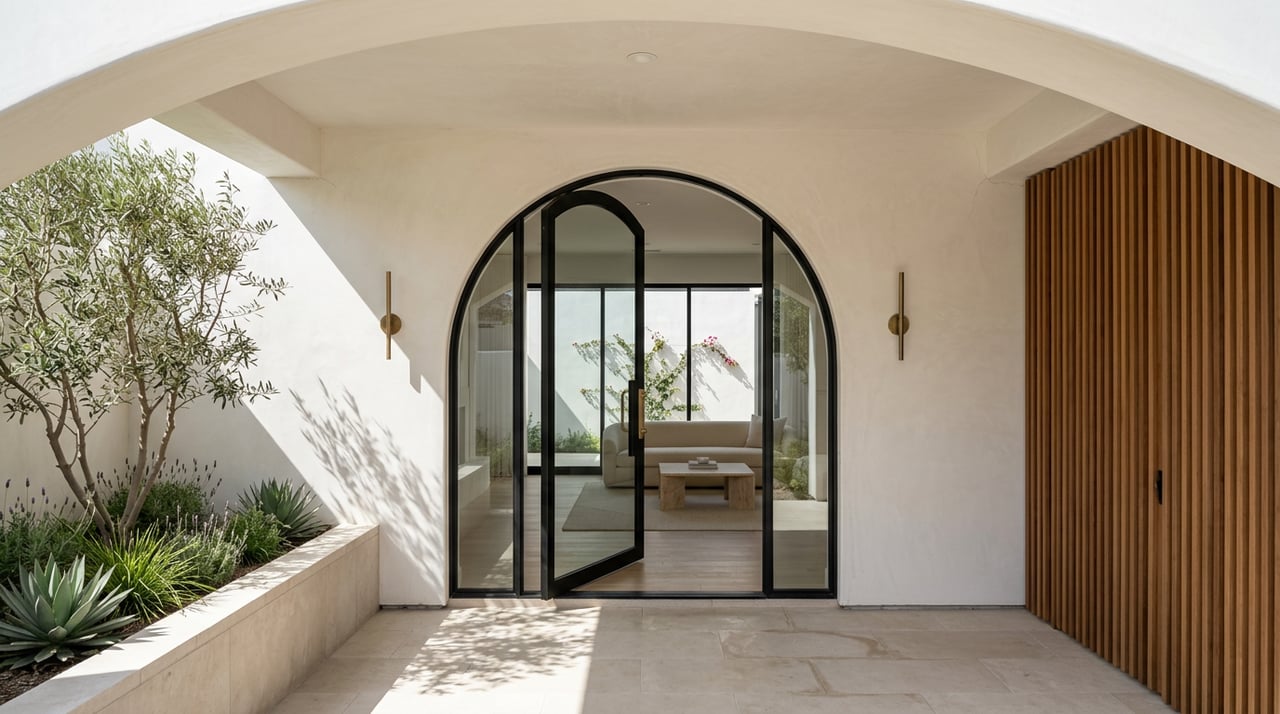
Modern vs Classic Luxury Estates in Beverly Hills
Are you weighing a glass-and-steel showpiece against a pedigreed classic in Beverly Hills? You are not alone. Many buyers and sellers ask which path delivers the lifestyle they want and the resale strength they need. In this guide, you will learn how modern and classic estates differ, how those differences affect buyer demand and ROI, and how to position each style for a top-tier result. Let’s dive in.
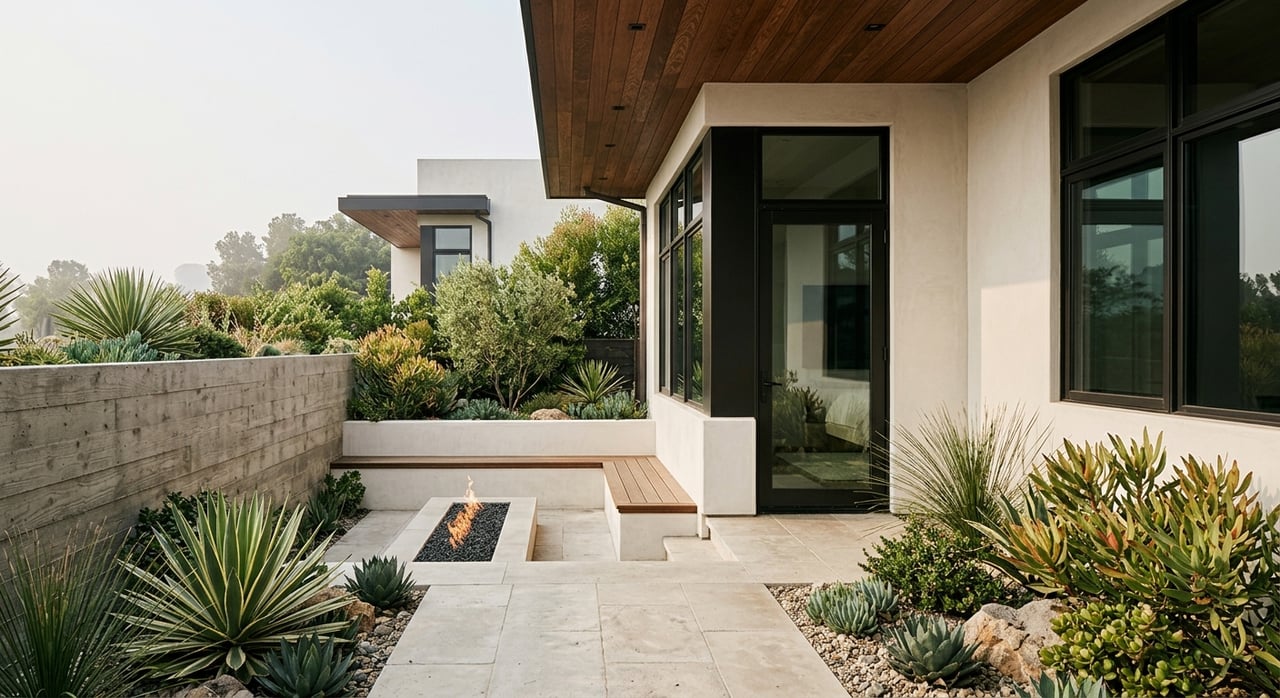
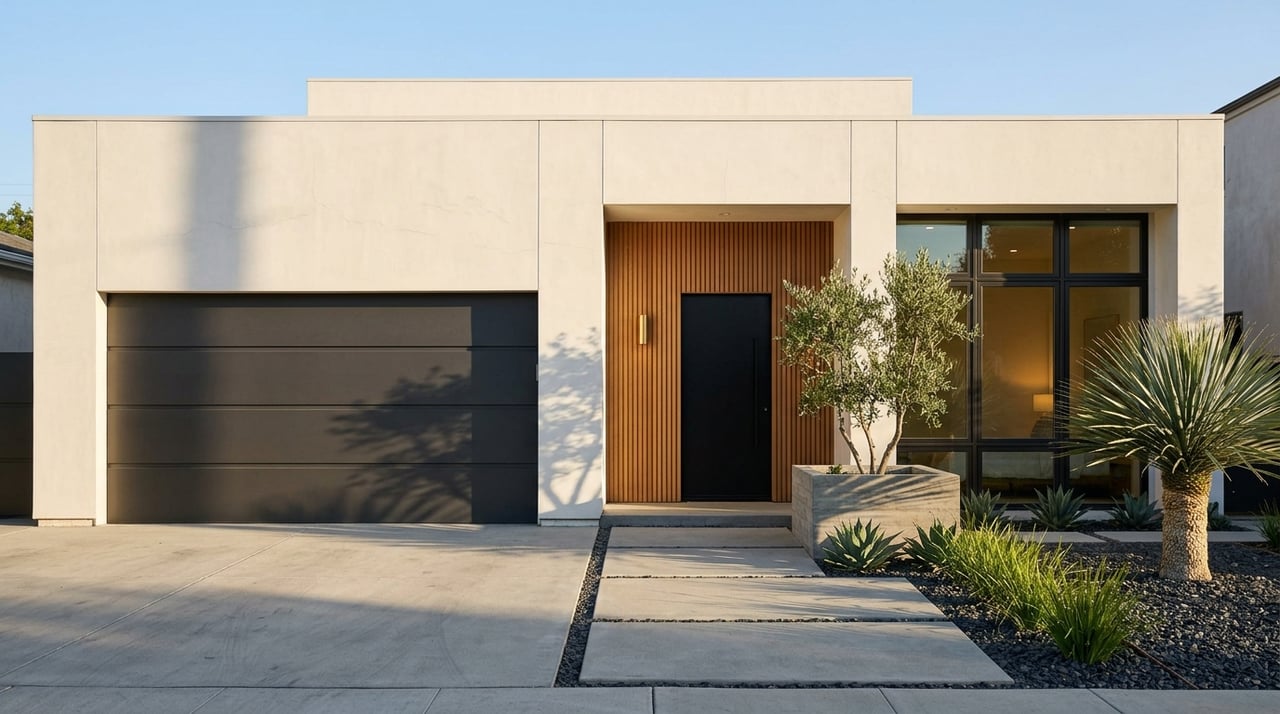
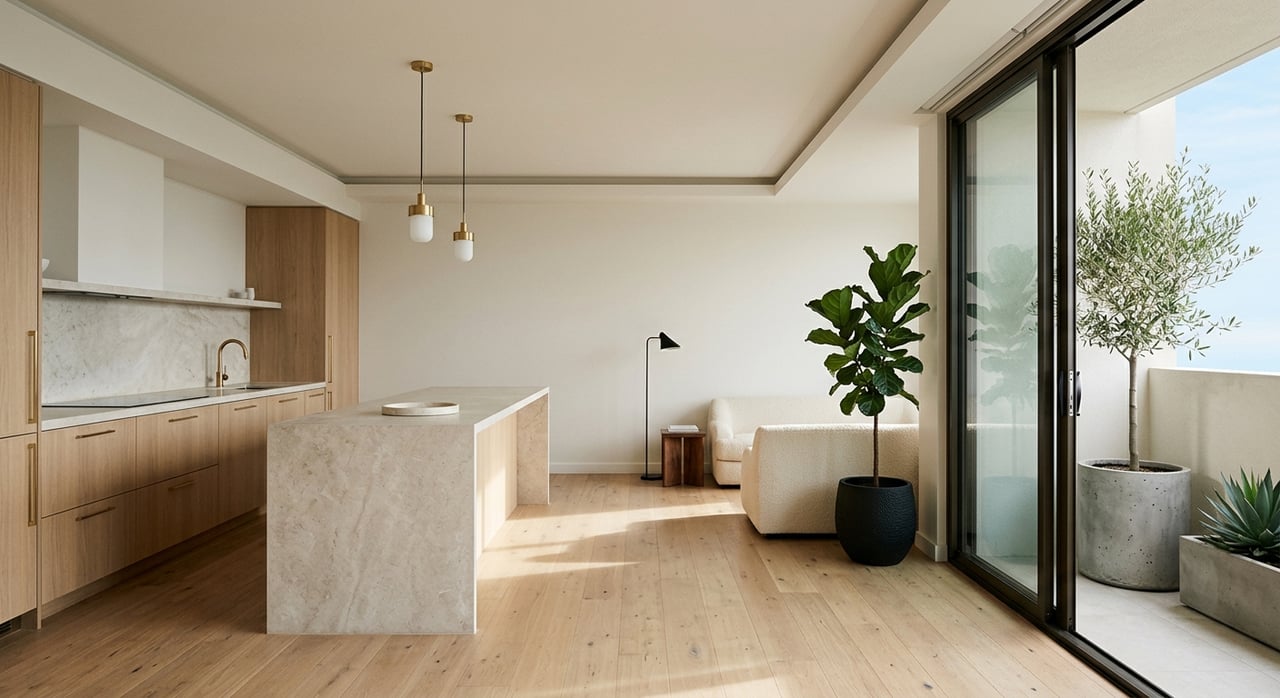
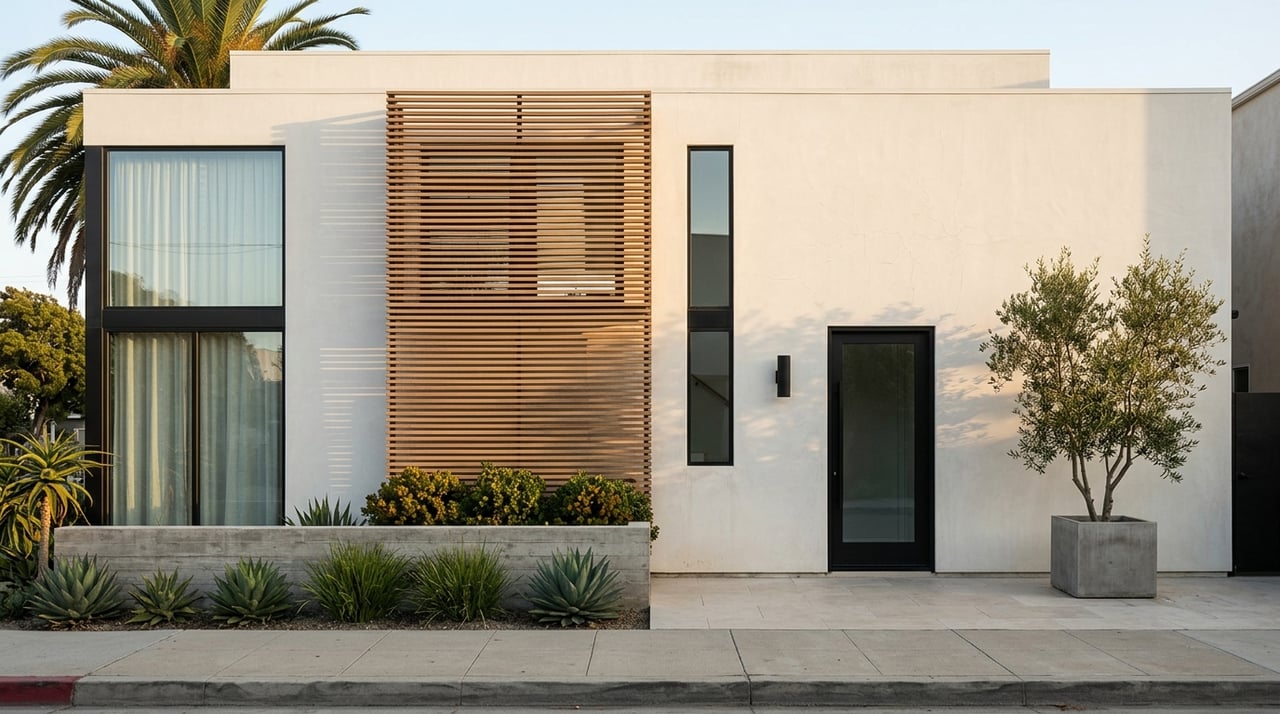
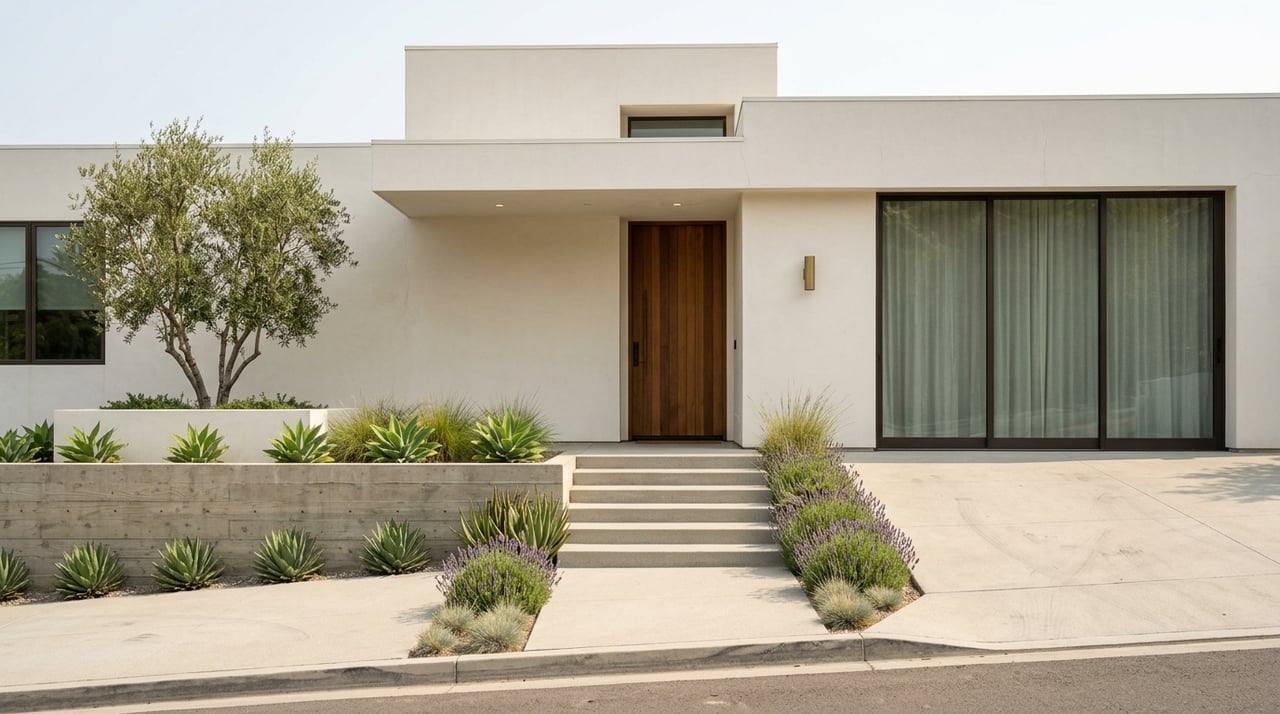
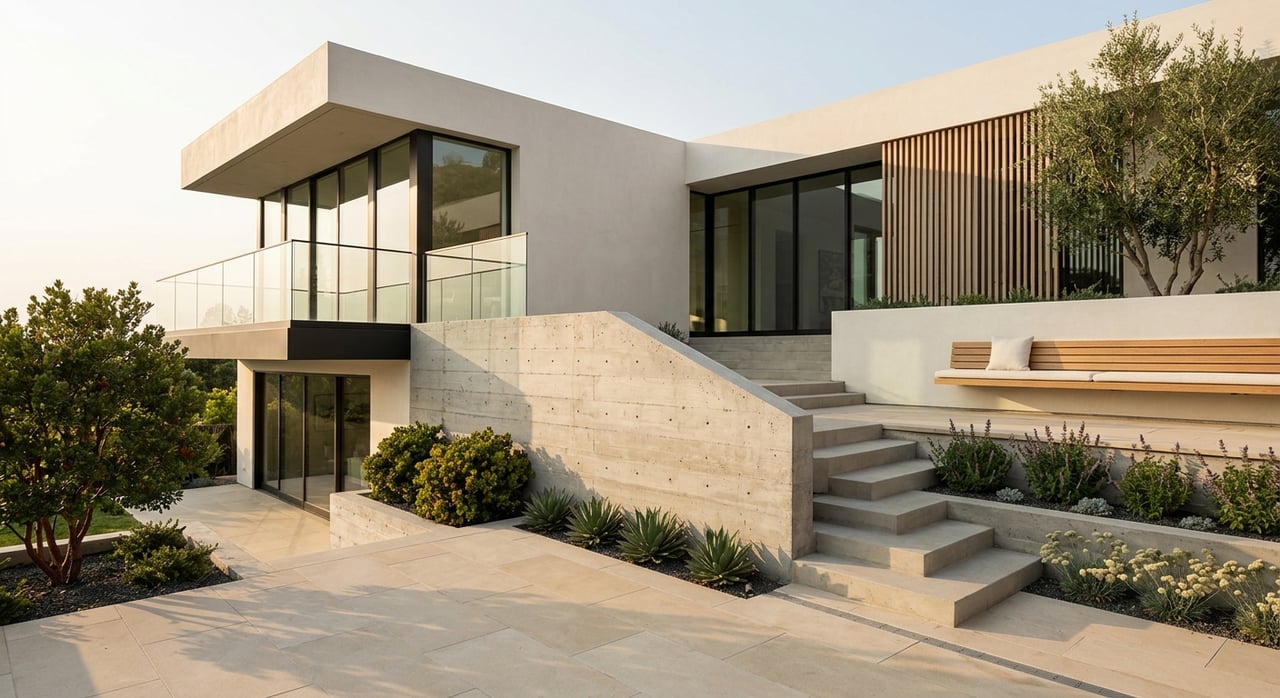
Modern or contemporary estates in Beverly Hills favor clean lines, open plans, and strong indoor and outdoor connections. Expect large expanses of glass, flat or low-slope roofs, and curated materials like steel, concrete, engineered stone, and smooth stucco. Tech is integral, with whole-home automation, security, and integrated audio-visual systems built in. Many are new builds or heavy reworks of older structures to achieve a turnkey, light-filled experience.
Classic estates include Spanish Colonial or Mediterranean, Tudor or English country, Georgian or Neoclassical, and Hollywood Regency, along with period novelty styles. These homes lean into craftsmanship, formal rooms, and architectural ornament. Some carry notable provenance tied to architects such as John Elgin Woolf or Paul R. Williams, and the city’s local register recognizes select properties for preservation. Local landmarks like the Spadena House and the modernist Kronish House illustrate how architectural story can drive both prestige and public interest.
A modern identity signals turnkey living, smart systems, and seamless entertaining, which appeals to buyers who prioritize convenience and design clarity. A classic identity highlights provenance, original detailing, and mature landscape, which attracts buyers who value history and character. Your style choice shapes marketing, pricing strategy, and ultimately the buyer pool you reach.
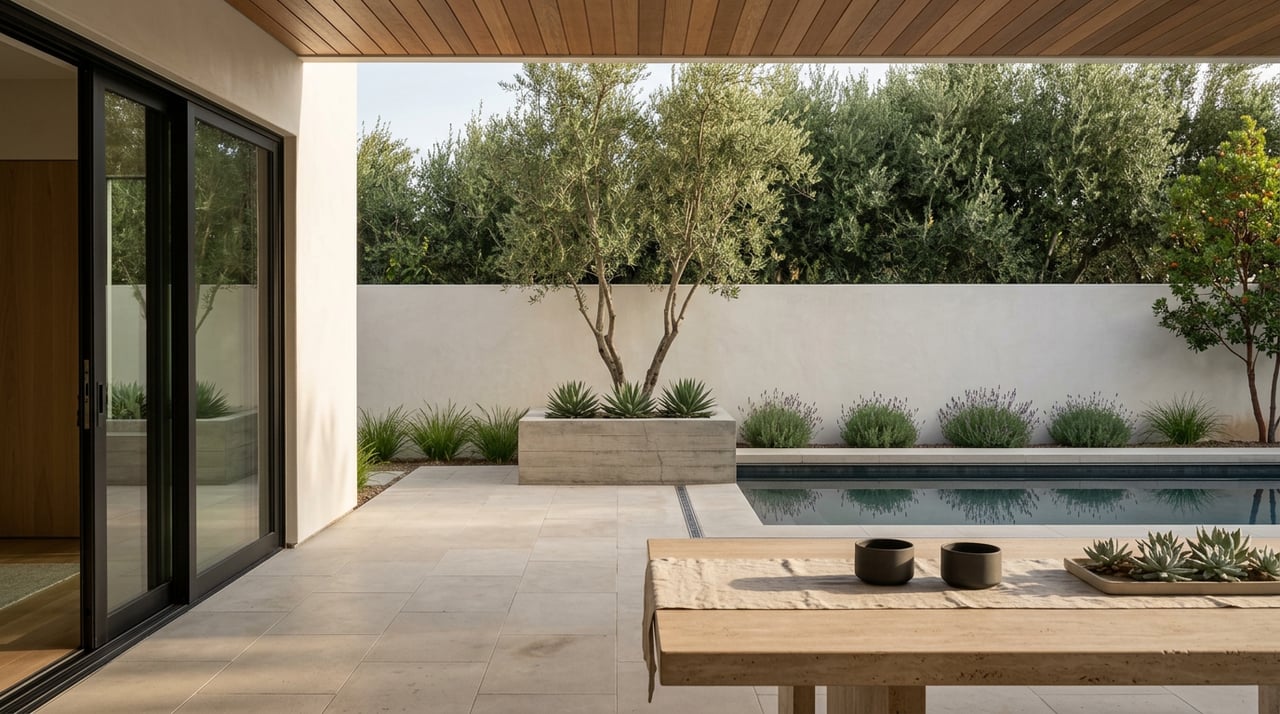
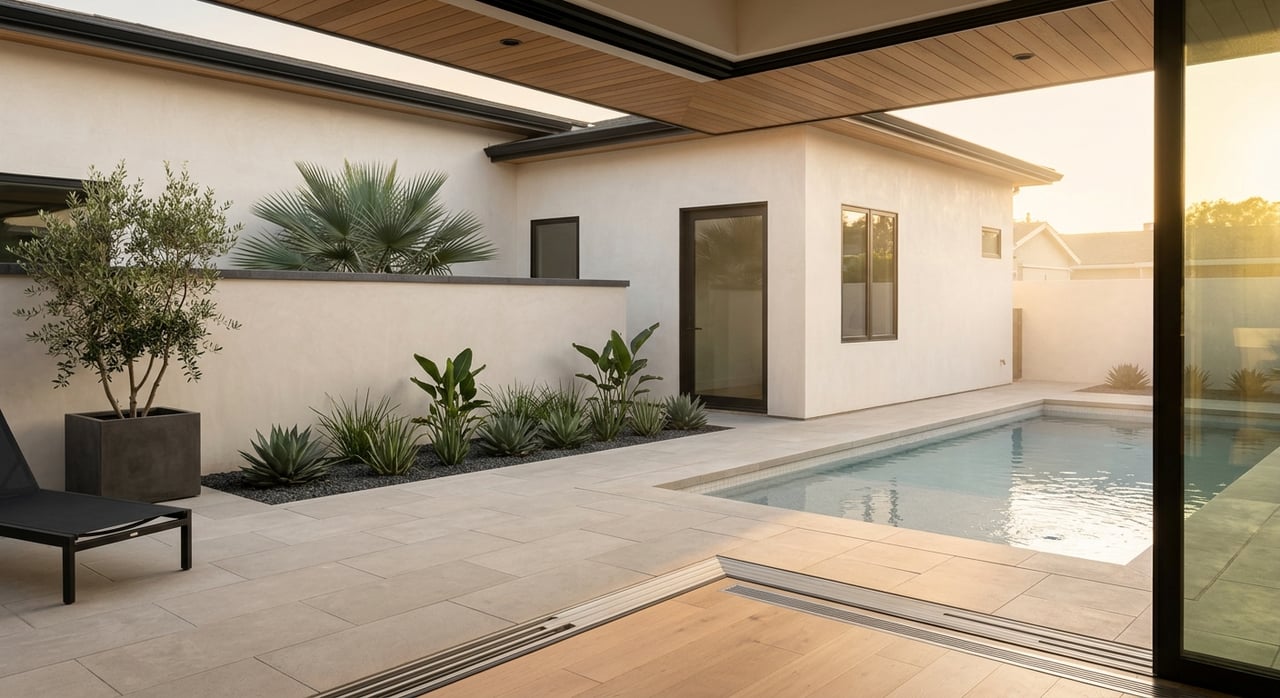
Modern estates often deliver a single cohesive social core, where kitchen, dining, and family spaces flow together and open to terraces and pools. You will also see flexible bonus rooms for a gym or theater, a generous primary suite with spa bath and custom closets, and discreet service areas that keep daily function out of view. Large sliding walls of glass emphasize daylight and backyard living, so plan for shade control, privacy screening, and landscape buffers.
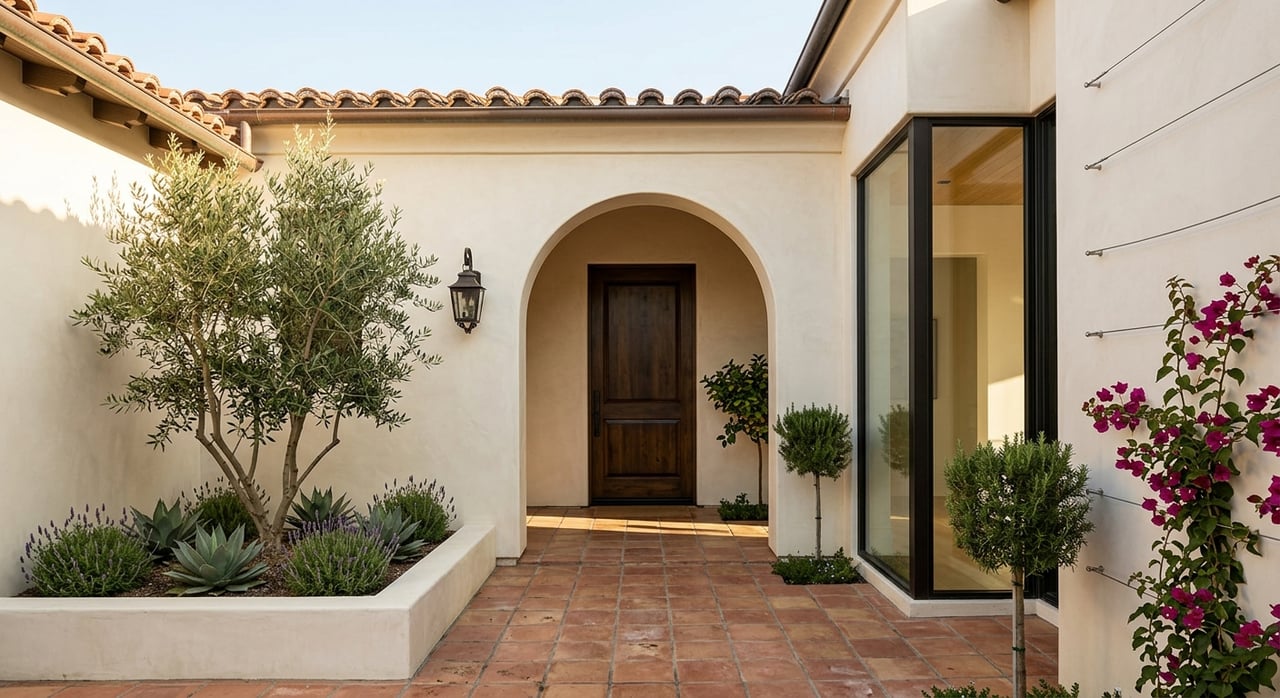
Classic estates lean toward defined rooms, such as a formal living room, dining room, library, and separate service wings. Courtyards and layered entries create a sense of arrival and privacy. Many classic homes retain original millwork, plaster, fireplaces, and period windows, which can be strong selling points. Older staff quarters are often reimagined as guest suites, a home office, or a studio.
Beverly Hills is not one-size-fits-all. The Flats feature central, relatively level lots with an array of classic-era mansions and elegant streetscapes. Trousdale Estates is known for mid-century modern homes on view-oriented lots with design protections that respect the neighborhood’s character. Other hillside pockets and the Beverly Hills Post Office area vary in lot size, slope, and design controls. Style choices often align with these micro-markets and their buyer expectations.
Recent aggregator snapshots placed Beverly Hills’ median sale price near 4.4 million in February 2026, with average home values in the low to mid 3 million range, and price-per-square-foot figures around 1,500 in certain prime ZIPs. Different sources use different data sets and geography, so your most reliable figures will come from the local MLS and recent neighborhood comps. Use current comp sets to guide any remodel scope and pricing strategy.
Buyer demand in Beverly Hills spans entertainment principals, long-time local households, high-net-worth buyers from tech and finance, and a steady international presence. Recent national reporting showed a rebound in international purchases through early 2025, with a high share of cash transactions. Across luxury segments, affluent buyers continue to prize space, indoor and outdoor living, wellness amenities, flexible work rooms, and sustainability or efficiency features.
Cost-versus-value data for the Los Angeles area shows midrange projects often recoup a higher percentage than ultra-custom upgrades. Examples include targeted kitchen updates, select bathroom refreshes, and exterior improvements like a new entry or garage door, which can deliver strong visual impact. Luxury, bespoke kitchens and baths may have a lower percentage recoup, yet in the high-end they are often essential for market competitiveness.
If your expected buyer is younger or tech-forward, invest in flow, light, and systems. Opening the kitchen, improving indoor and outdoor transitions, and integrating smart-home infrastructure can widen your audience. Avoid hyper-specific finishes that limit appeal. If the home carries architectural significance or is older than 45 years, consult the city early to understand any preservation review that may shape your plans.
If you hold a well-preserved classic or an architect-attributed property, focus on sensitive restoration and narrative-led marketing. Retain original millwork, windows, and plaster where feasible, and document any systems upgrades to reassure buyers about maintenance. Over-stripping character can reduce appeal for heritage-focused buyers, especially in neighborhoods where historic fabric defines identity.
Beverly Hills’ Historic Preservation Ordinance established a local register and review process for significant properties. If your home is listed or eligible, major alterations can require additional review and potential waiting periods. High-profile cases, such as the modernist Kronish House, illustrate the city’s interest in architecturally important properties, and they show why early planning with the city helps manage timelines.
California’s ADU rules have made accessory dwellings more attainable, and Beverly Hills maintains local guidelines to align with state law. Large remodels and demolitions on high-value lots usually involve structural, civil, and landscape reviews that add time and cost. For any project touching a potentially historic home, build in extra lead time for preservation review and community input.
Use this quick filter to match your plan to your property and timeline:
Choosing between modern and classic in Beverly Hills is not only a taste decision, it is a strategy decision. You want a plan that pairs design, permitting, and marketing to match your buyer pool and your exit timeline. At High-End Estates, you get broker-led guidance, pre-listing renovation support, and access to both public channels and private networks. Our multilingual team expands your reach locally and internationally, and our proprietary app and digital distribution put your listing in front of qualified buyers while preserving discretion where it matters.
If you are ready to test buyer response, pull comps by micro-market, or map a renovation that maximizes value, we are here to help. Request Private Access and connect directly with our managing broker for a confidential plan that fits your goals.
No matter where you are in the buying or selling journey, we’re here to answer your questions and provide expert advice. Contact us today, and let’s make your next move a success.
High-End Estates | CA DRE# 0225