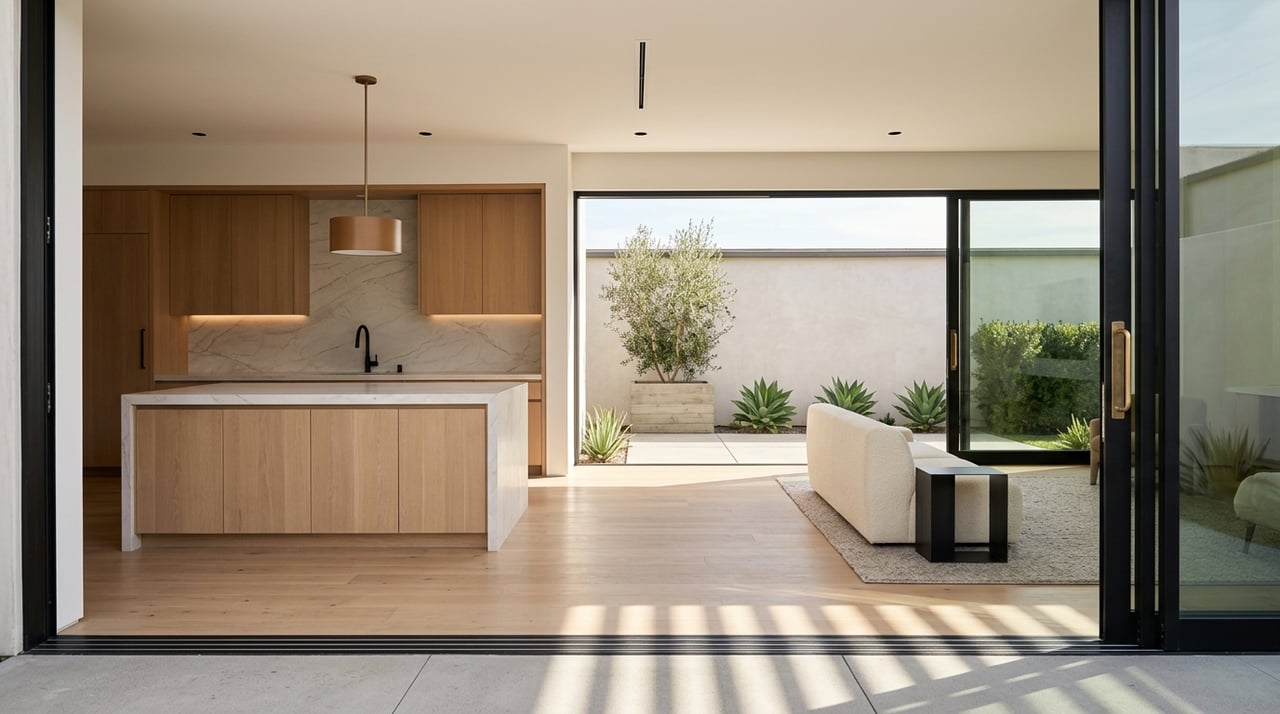
Value-Add Strategies for Culver City Real Estate Investors
Looking for upside in Culver City without taking on unnecessary renovation risk? In a market where much of the housing stock is older, the smartest investor moves often come from improving what is already there instead of chasing oversized construction plans. If you want to buy, reposition, and exit with more confidence, understanding local housing age, rent rules, and permit timing can help you avoid costly mistakes. Let’s dive in.
Culver City remains one of the more compelling value-add markets on the Westside because it is largely built out and full of aging housing stock. According to the city’s Housing Element, about 63% of housing units were built at least 50 years ago, and about 92% are at least 30 years old. That matters because older homes and multifamily properties often respond well to maintenance, modernization, and selective rehab.
The location story also supports demand. Culver City is a transit-oriented, job-rich market with access to the Metro E Line, major freeways, and major employers such as Sony Pictures Studios, Amazon Studios, and Apple, as noted in the city’s planning materials. In February 2026, the median sale price was $1.39 million, while the same housing report cited Zillow asking rent figures of $3,189 overall, with about $2,620 for one-bedrooms, $3,361 for two-bedrooms, and $5,600 for three-bedrooms.
For you as an investor, that combination points to a clear theme: quality matters. Buyers and renters in this market are likely to notice layout, condition, and everyday livability, so well-planned upgrades can stand out.
In many Culver City deals, the fastest path to value is a light cosmetic refresh. Think paint, cabinets, countertops, floor coverings, and landscaping. These changes can improve the look and feel of a property quickly, especially when the existing home or unit shows its age.
Just as important, Culver City identifies these items as work that generally does not require a building permit on its building permit guidance page. That can help you protect your timeline, reduce soft costs, and keep the project easier to manage.
This approach tends to work well in a built-out market where the goal is often repositioning, not rebuilding. If the bones are good, visible updates may deliver a stronger return than a more complicated construction scope.
Finishes alone do not always create the best value. If a property has awkward flow, poor storage, or underused space, layout optimization can make a bigger difference to marketability than premium materials.
In Culver City, that might mean improving circulation, adding flexibility for a home office, or making rooms function more efficiently. The city’s housing profile shows that adults ages 25 to 44 are the fastest-growing adult cohort, which suggests many occupants may respond well to practical layouts that support modern daily routines, work-from-home needs, and storage.
That said, layout changes usually come with more complexity. Culver City notes that work such as door relocation, partition walls, room additions, and similar alterations generally does require permits, so you should review those costs and timelines during acquisition due diligence, not after closing.
One of the most common value-add mistakes is underestimating how long a project may take once the scope touches walls, systems, or openings. Culver City’s Building Safety Division states that plan checks are currently running about 15 to 20 business days after payment and routing. That is useful baseline information when you build your budget and hold-time assumptions.
The city also offers online permitting services 24 hours a day, 7 days a week, which can help keep the process moving. Still, the city makes clear that work should not begin before a permit is issued, and applications can be abandoned after 12 months if they are not completed.
The takeaway is simple: the less your renovation scope depends on structural or layout changes, the easier it may be to keep your project on schedule. In many Culver City investments, speed and certainty can matter just as much as the finished product.
The strongest amenity upgrades in Culver City are usually practical, not flashy. Instead of over-improving for the sake of luxury, focus on features that make everyday life easier and the property more usable.
Good examples include:
The city’s planning materials emphasize Culver City’s transit access and proximity to employment centers, as outlined in the General Plan 2045 introduction. For many properties, features that support efficient routines and car-light living may offer broader appeal than highly customized upgrades.
If your investment thesis includes an accessory dwelling unit, the same city planning materials note that Culver City offers an ADU handbook and pre-approved plans. That does not make every site a fit, but it can be useful if you are evaluating additional unit potential.
If you are buying multifamily in Culver City, rent regulation needs to be part of your underwriting from day one. The city’s Rent Stabilization and Tenant Protection Measures page explains that the Rent Stabilization Ordinance applies to parcels with two or more rental units built on or before February 1, 1995.
For covered units, annual rent increases are capped based on CPI. The current maximum permissible annual increase is 3.25% for increases effective from February 1, 2026 through May 31, 2026, and the ordinance states the CPI-based cap cannot fall below 2% or rise above 5%.
Single-family homes, condominiums, and townhomes are generally exempt from rent stabilization, though tenant protections may still apply in many cases. The city also states that all rental units must be registered, including units exempt from rent stabilization but still covered by tenant protections, and the annual registration fee is $172.17 per residential rental unit effective July 1, 2025.
For investors, this changes the math. On covered multifamily properties, value-add often comes less from large in-place rent increases and more from turnover, better product quality, and disciplined execution.
Occupied-unit rehab deserves special attention in Culver City. The city notes that tenants who cannot remain in place while work is performed may be entitled to temporary relocation assistance.
That means renovation timing is not just a construction issue. It can directly affect your budget, schedule, and deal structure.
Before you close on a pre-1995 multifamily asset, it is wise to verify several items:
This is where a disciplined acquisition process matters. The better you understand tenant status before closing, the fewer surprises you are likely to face once the project starts.
Not every Culver City asset calls for the same playbook. In many cases, your best strategy depends on the property type and the regulatory burden attached to it.
Here is a simple way to think about it:
| Property type | Often strongest value-add approach |
|---|---|
| Single-family home | Cosmetic refresh plus targeted functional upgrades |
| Condo or townhome | Interior updates, storage, lighting, and livability improvements |
| Pre-1995 multifamily | Careful underwriting of rent rules, tenant status, and selective unit repositioning |
For fee-simple single-family homes, condos, and townhomes, the path is often more straightforward. For older multifamily assets, your return may depend just as much on regulatory planning as on design choices.
In Culver City, the best value-add strategy is usually not a full luxury transformation. It is a permit-aware, timeline-conscious upgrade plan that improves livability, respects local rules, and keeps your basis aligned with the market.
That is why experienced investors often look for support beyond just sourcing a property. Broker-led guidance can help you assess permit risk, tenant issues, renovation scope, and resale timing before you commit capital.
At High-End Estates, that means helping you think through the full path from acquisition to repositioning and exit, with a focus on discretion, speed, and practical execution. If you are exploring Culver City opportunities, especially private or off-market options, the right plan can make the difference between a clean value-add win and an expensive delay.

No matter where you are in the buying or selling journey, we’re here to answer your questions and provide expert advice. Contact us today, and let’s make your next move a success.
High-End Estates | CA DRE# 0225