Malibu Beachfront Homes: Daily Life and Buyer Insights
Owning a home where your deck steps onto Malibu’s sand is a powerful vision. You want ocean air, surf views, and a simple, sun-led routine. Yet living directly on the sand in Malibu comes with unique rhythms, regulations, and tradeoffs that shape daily life and long-term value. This guide breaks down the coastline, the lifestyle by beach stretch, seasonal patterns, and the key checks you should make before you buy. Let’s dive in.
Malibu is a narrow coastal corridor that runs along the Pacific Coast Highway. There is no continuous boardwalk or promenade like you see in Santa Monica or Venice. Instead, beach access happens at defined stairways and paths managed by various agencies. The Mountains Recreation and Conservation Authority maintains several public accessways that make portions of Malibu’s shoreline easier to reach. You can browse current access points through the MRCA’s coastal access resources for a feel of how entry works across the city. MRCA’s coastal access page
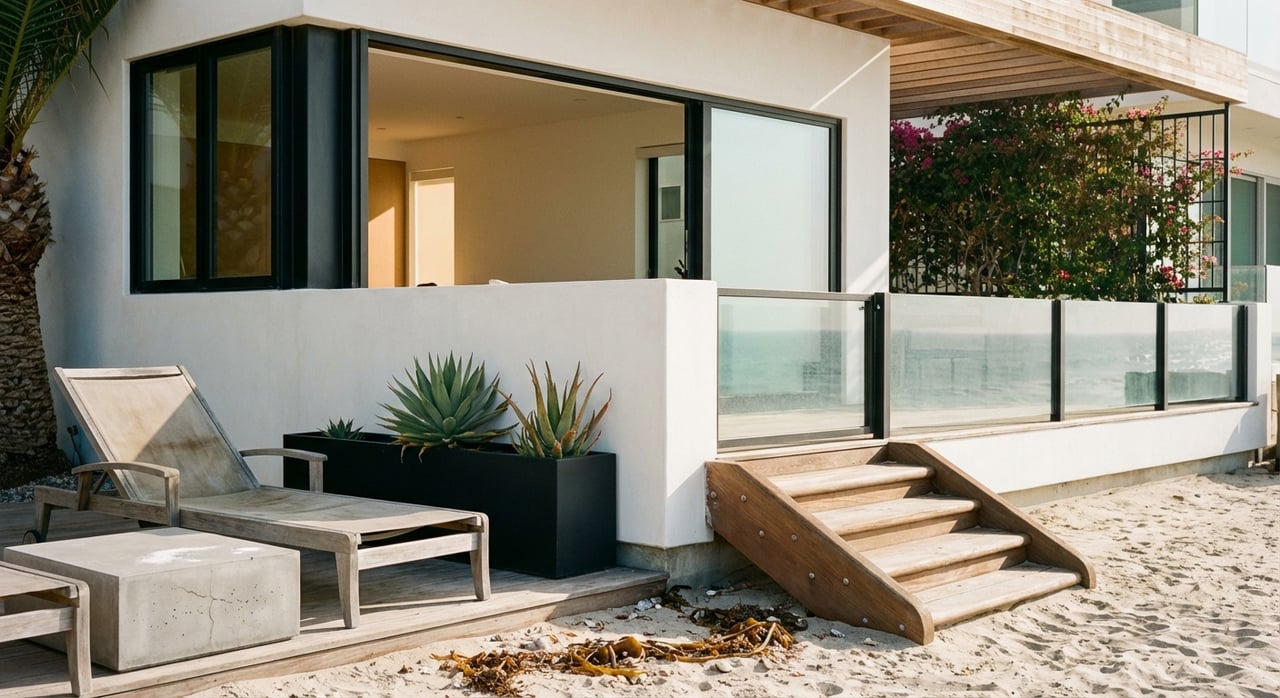
That access model shapes what “on the sand” feels like. Some homes sit above the beach on pilings with private stairs, others have short steps down to the sand, and some bluff estates rely on shared or gated paths. Since Malibu’s parcels and access points are interwoven with the highway and neighboring homes, plan for a living experience defined by the ocean in front and the PCH activity just behind.
Carbon Beach is known for tightly stacked beachfront estates with direct sand access and expansive views. Lot sizes from the street side can be modest, while value concentrates in the frontage, the privacy solutions, and the quality of stair access to the sand. It has also seen high-profile sales and access debates that keep it in the headlines.
Near the lagoon, pier, and shops, you find older cottage stock and small-lot homes with a classic surf village feel. You can walk to dining, including the pier’s well-known Malibu Farm, and watch the scene at Surfrider Beach. Surf culture is a visible part of daily life here, which gives this pocket an energetic, lived-in feel. Malibu Farm at the pier
This stretch features long lots and many modern builds, often on or just landward of a once-wider beach. Broad Beach has been the focus of shoreline nourishment and armoring debates, which affect how usable the sand can be during high tides and storms. If you want quick, predictable sand access at all tides, the local shoreline management context here is essential to understand. Journal of Coastal Research on Broad Beach
Expect an elevated, bluff-top estate lifestyle with dramatic views and pocket beaches reached by steep stairs and trails. The Robert H. Meyer Memorial State Beaches, including El Matador, La Piedra, and El Pescador, deliver iconic scenery and limited parking. This is a cliff-and-cove rhythm rather than a flat, walk-on-sand experience. Robert H. Meyer State Beaches
Here you get broad sandy beaches, county lifeguards, and extensive public parking. Daily life leans into long walks, consistent sand, and wide-open views. Homes may sit a bit farther from the tight PCH-edge parcels, but the tradeoff is expansive beach width.
Late spring and early summer often start with a cool marine layer known as “June Gloom.” Skies typically clear in the afternoon, which can shift how you plan morning workouts, outdoor dining, and photography. Understanding this rhythm helps you set realistic expectations for light and temperature. LA Times explainer on June Gloom
Surfrider’s First Point is a world-famous longboard wave. South swells in summer and early fall bring classic long rides, while winter storms can create larger, more hazardous surf. These patterns influence parking demand, beach traffic, and the best windows for a quiet shoreline walk or a surf session. Surfline report for Surfrider Beach
Whale migration typically peaks in winter into spring, and tidepooling opportunities vary with seasonal tides. Residents often learn local tide charts and plan outings during low tide or migration windows to catch wildlife moments from the sand or nearby lookouts. Whale season overview
Under California law, the beach seaward of the mean high tide line is public. In practice, that means foot traffic near your stairs or deck edge in some locations, along with active enforcement of access rights. The MRCA and partner agencies manage specific accessways across Malibu, and that proximity can be a major lifestyle determinant. MRCA coastal access overview
California Coastal Commission guidance instructs cities and permit applicants to factor sea level rise into decisions, preferring soft or nature-based approaches and limiting permanent shoreline armoring except in narrow circumstances. Projects proposing armoring or sand placement can face lengthy review, scenario planning, and conditions. If you intend to remodel or add protective features, align your plans early with the Commission’s current guidance and local coastal program standards. Coastal Commission sea level rise guidance
Wildfire remains part of Malibu’s risk profile. The 2018 Woolsey Fire is a recent example of widespread losses, and updated hazard maps shape building codes, mitigation requirements, and insurer underwriting. Some carriers may limit new policies or set higher premiums in very high hazard zones, and the California FAIR Plan is a common backstop. Verify insurer willingness and premium ranges during escrow and understand any lender requirements tied to hazard zones. Woolsey Fire impact map | Wildfire hazard and insurance context
Salt air increases ongoing maintenance, from metal corrosion to door and window hardware wear. Stairways and decks may need periodic repair, and sand widths can shift seasonally. Many beachfront parcels rely on septic systems or have specific wastewater conditions, so confirm current utilities, any upgrade obligations, and service provider availability.
Malibu’s market can look different depending on the data source and time frame. Medians vary between list and sale prices, and small samples or trophy transactions can swing reported figures quickly. Rather than relying on a single number, use dated figures from a named provider just before you write an offer, and compare neighborhood-level comps to account for beach width, access, and permitting complexity.
Buying directly on Malibu’s sand requires precise local knowledge and discretion. With High-End Estates, you get direct access to broker leadership, curated on and off-market opportunities, and multilingual representation that expands your reach. We combine concierge service with modern tools, so you see the right properties faster and negotiate from a position of strength. For investors, we can align financing partners and value-add strategy to match your risk profile and timeline.
Ready to explore Malibu’s beachfront with a trusted guide who knows the coastline parcel by parcel? Connect with High-End Estates for a confidential consultation and private access to opportunities that fit your goals.
No matter where you are in the buying or selling journey, we’re here to answer your questions and provide expert advice. Contact us today, and let’s make your next move a success.
High-End Estates | CA DRE# 0225