Santa Monica Condo vs House: How to Choose with Confidence
Trying to choose between a condo and a house in Santa Monica? You are not alone, and in this market, the answer is rarely just about sticker price. Santa Monica offers a very specific mix of coastal convenience, dense multi-unit housing, and limited detached-home inventory, so your best fit depends on how you want to live day to day. This guide will help you weigh lifestyle, costs, control, and neighborhood patterns so you can make a smarter decision with confidence. Let’s dive in.
Santa Monica is not a market where condos and houses exist in equal supply. According to the city’s 2021 to 2029 Housing Element, Santa Monica had about 52,629 total housing units in 2020, including 11,572 single-unit residences and 40,853 multi-unit units. That matters because the city is already heavily oriented toward multi-unit living.
Detached houses are also limited by land use and neighborhood pattern. The same city report notes there are only about 6,500 parcels zoned R1, which helps explain why single-family inventory can feel scarce and highly location-specific. In practical terms, that means your condo-or-house decision is also a neighborhood decision.
Santa Monica pricing adds another layer. Census QuickFacts shows a median value of $1,810,200 for owner-occupied housing units, while a March 2026 market snapshot from Redfin showed a citywide median sale price of $1.5645 million and average market time of about 52 days. Current condo listings in Santa Monica were showing a median list price of $1.2 million, which suggests the tradeoff is not simply cheaper versus more expensive, but product type versus carrying costs, location, and lifestyle.
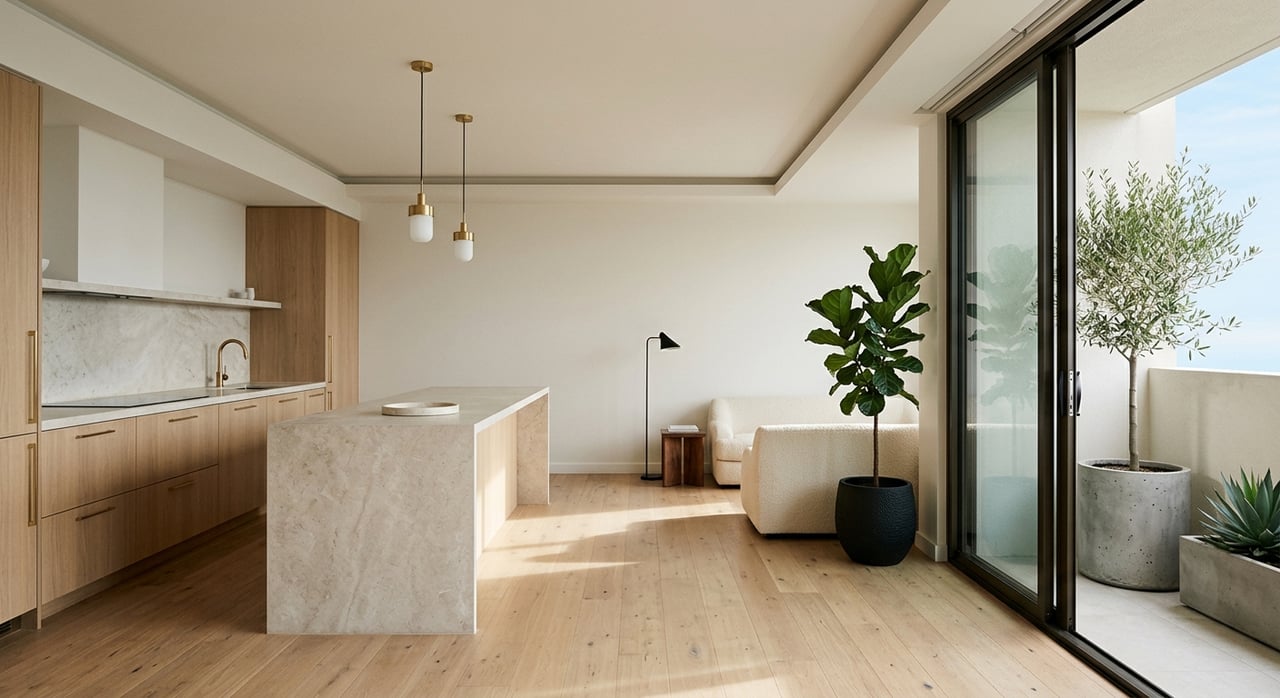
A condo can be the right fit if you want a lower-maintenance ownership experience and a more lock-and-leave lifestyle. In California, a condo is a legal form of ownership, not a building style. The California Department of Real Estate explains that you own your individual unit plus an undivided interest in common areas, and membership in the homeowners association transfers with the property.
That shared structure is the main appeal and the main tradeoff. On one hand, you usually have fewer day-to-day maintenance responsibilities than you would with a house. On the other hand, you are buying into shared governance, monthly dues, and the possibility of special assessments.
For many buyers, condos align well with the more walkable and connected parts of Santa Monica. Downtown Santa Monica has a Walk Score of 90 and Excellent Transit, while Wilshire-Montana is considered Very Walkable with Good Transit. Ocean Park also stands out, with a Walk Score of 93 and Good Transit.
If your routine includes walking to dining, beach access, errands, or transit, condo-heavy areas may feel more natural. Santa Monica’s Housing Element notes that Downtown has absorbed much of the city’s new residential development over the last decade. It also describes Ocean Park and Wilshire-Montana as areas with substantial multi-family housing, which reinforces why condos are such a common option there.
Before you buy a condo, focus on the HOA as much as the unit itself. The California Department of Real Estate stresses that buyers should review governing documents, budgets, assessments, and reserve funding. This is one of the most important parts of condo due diligence.
Here are a few items worth reviewing carefully:
If those documents feel uncomfortable or unclear, that is useful information. Condo ownership can work beautifully when the building is well-managed and the rules match your lifestyle. It can feel frustrating if you want more freedom over changes, costs, or decision-making.
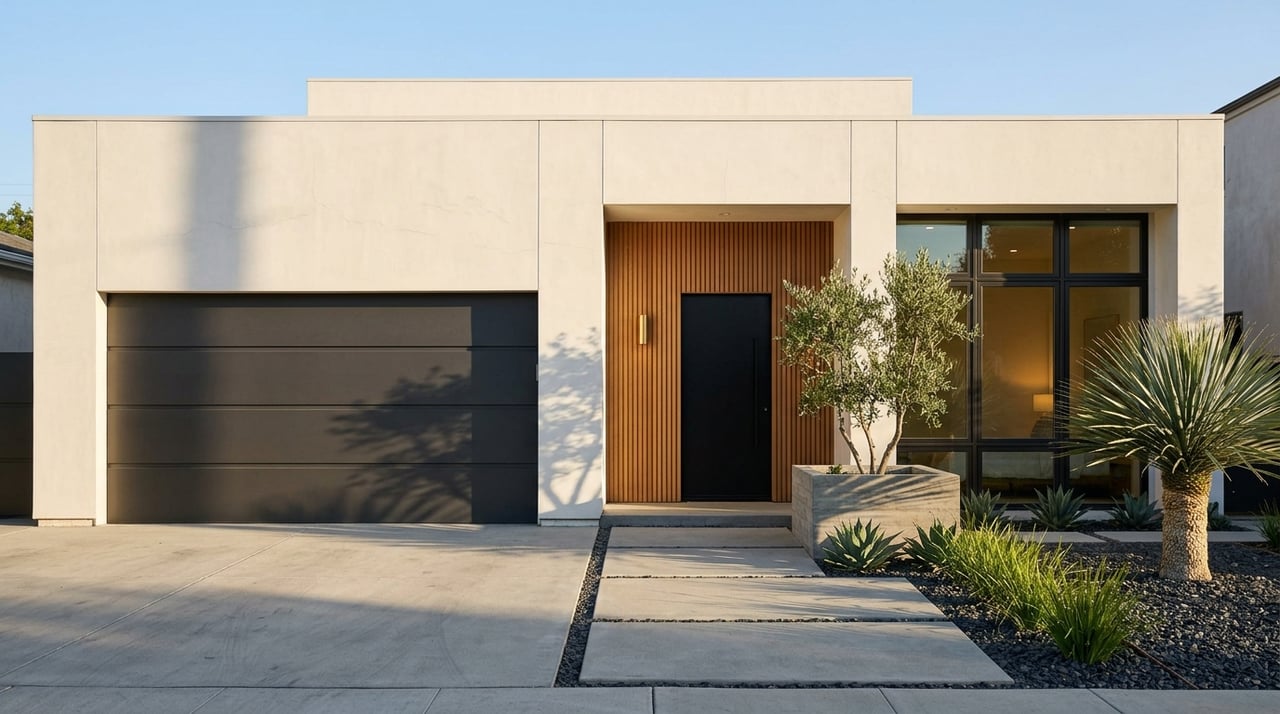
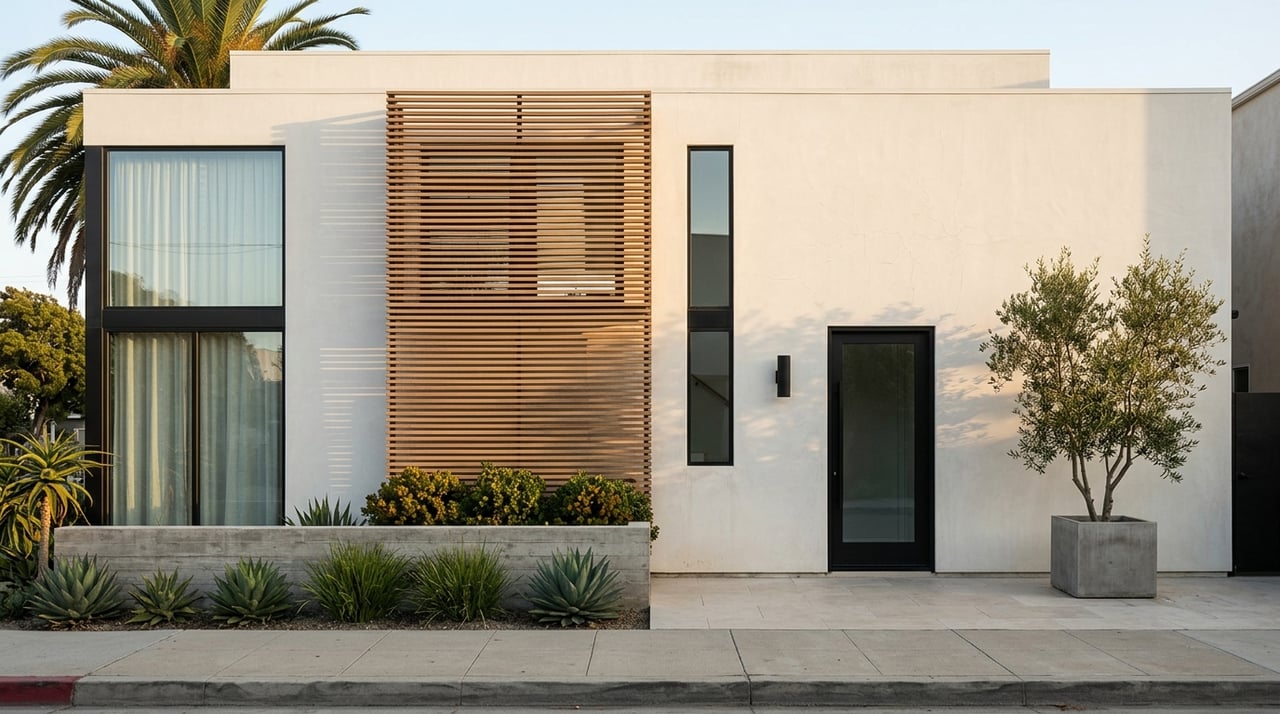
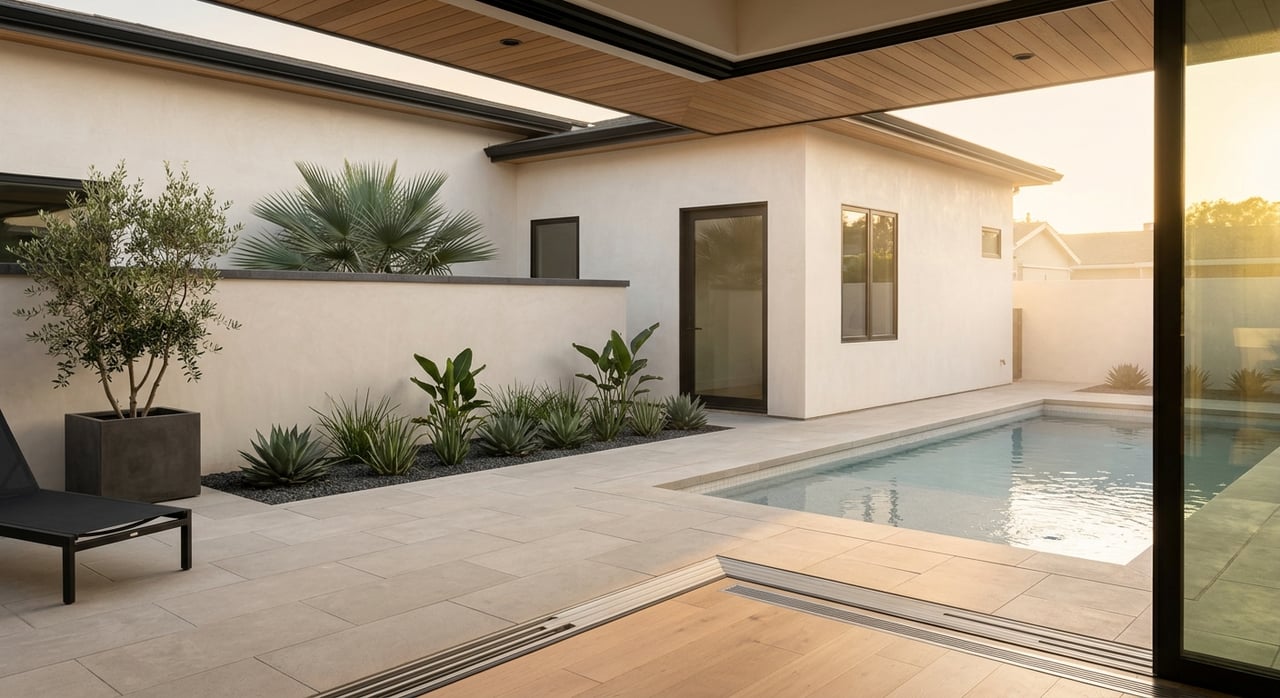
A house often makes more sense if you care most about privacy, outdoor space, and direct control. You generally have more say over the property itself and fewer shared-wall compromises. You also avoid the structure of an HOA in many single-family scenarios, though you take on more responsibility for maintenance and major repairs.
In Santa Monica, houses tend to be concentrated in lower-density areas. The city describes North of Montana as a lower-density area with one- to two-story single-family housing on larger parcels, mostly zoned for single-family or low-density residential use. The Northeast Neighborhood is also described as mostly single-family homes.
This creates a very different daily experience from denser condo-oriented areas. North of Montana is somewhat walkable with Some Transit, while Downtown and Ocean Park score much higher for walkability and transit access. So in many cases, the real question is whether you want a more private residential setting or a more urban, amenity-rich one.
Many buyers start with purchase price, but monthly and long-term costs deserve equal attention. A condo may come with a lower purchase price than a detached house in Santa Monica, but recurring HOA dues can materially affect your monthly payment. You also need to factor in the possibility of special assessments if a building needs major repairs or improvements.
A house usually removes the HOA issue, but it shifts repair and upkeep costs directly to you. Roof work, exterior maintenance, landscaping, drainage, and other capital items are your responsibility. That can be worth it if autonomy matters more to you than convenience.
This is why the Santa Monica condo-versus-house decision is so personal. The better option is not always the one with the lower list price. It is the one that fits your cash flow, your tolerance for shared financial decisions, and how much time you want to spend managing the property.
Not every Santa Monica neighborhood supports the same lifestyle. If you picture yourself stepping out to shops, restaurants, and transit, condo-oriented districts may be the stronger fit. If you picture a quieter residential street and more separation from neighbors, single-family pockets may make more sense.
Here is a simple way to think about it:
That does not mean every condo belongs in one group or every house in another. It means Santa Monica’s built environment tends to pull each property type toward a different daily rhythm.
If you are stuck, start with your non-negotiables instead of the listing photos. The right property type usually becomes clearer once you define what matters most in your everyday life.
Ask yourself these questions:
That last point is worth special attention. The California Department of Real Estate warns that selling costs and commissions can offset early equity gains, especially in the first year or two. If you expect a short hold, your decision should be even more disciplined.
In Santa Monica, condos usually win on convenience, shared upkeep, and access to walkable coastal-urban living. Houses usually win on privacy, outdoor space, and personal control. Neither option is automatically better.
The best choice depends on what kind of Santa Monica experience you want. If you want a more connected, lower-maintenance lifestyle in a dense and active part of the city, a condo may be the better fit. If you want space, autonomy, and a quieter residential setting, a house may be worth the higher barrier to entry and greater ownership responsibility.
A smart decision starts with matching the property type to your real routine, not just your wish list. If you want expert guidance on Santa Monica condos, single-family homes, or private opportunities that are not widely available, High-End Estates can help you compare options with discretion, local insight, and broker-led support.
No matter where you are in the buying or selling journey, we’re here to answer your questions and provide expert advice. Contact us today, and let’s make your next move a success.
High-End Estates | CA DRE# 0225