Santa Monica Beach Or Downtown: How To Choose
If you are torn between Santa Monica’s beach side and Downtown, you are asking the right question. In this city, the choice is rarely just about square footage or a street address. It is about how you want your days to feel, what kind of walkability matters most to you, and whether you want a coastal rhythm or a more urban one. Let’s dive in.
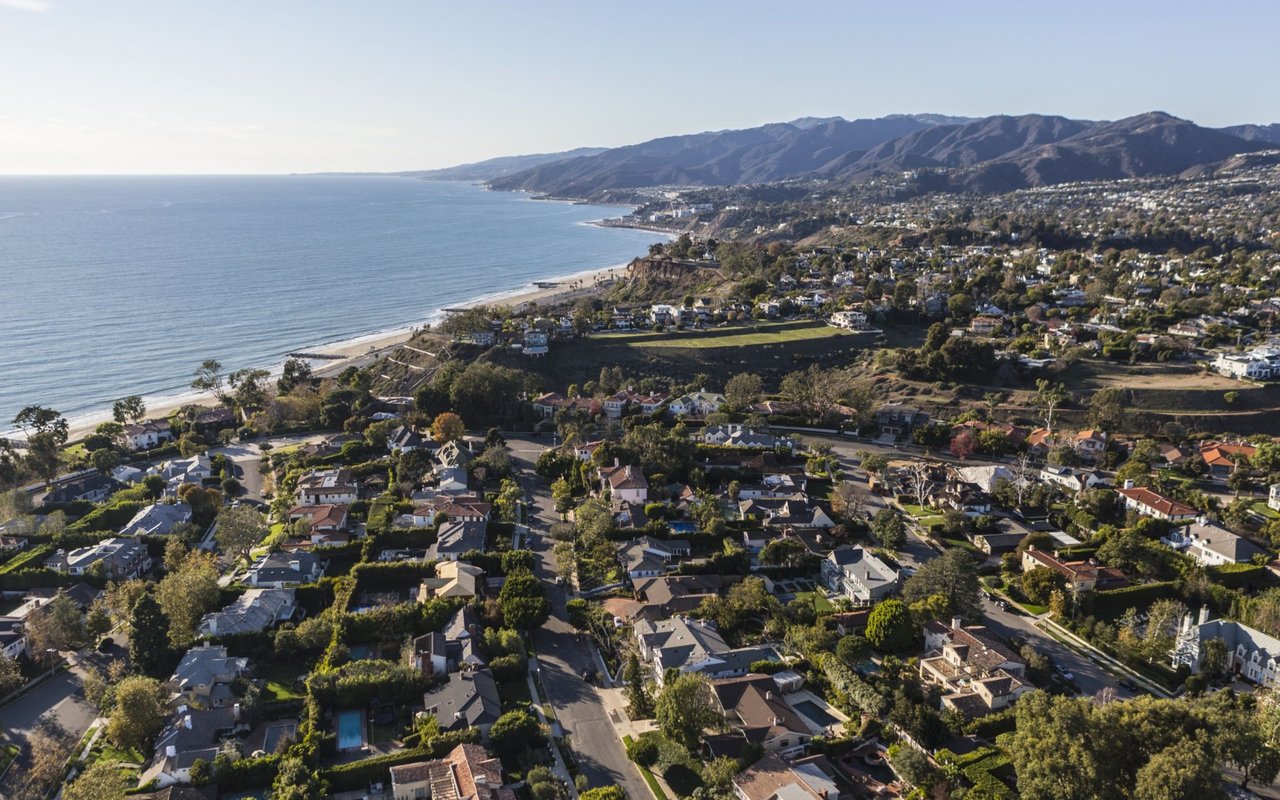
Santa Monica covers about 8.3 square miles and includes three miles of Pacific beaches. The city’s housing pattern is broadly split between coastal areas, Downtown, and inland residential neighborhoods. That means your decision often comes down to lifestyle first, then property type second.
The main comparison is not simply beach versus city. In Santa Monica, you are really choosing between coastal open space, mixed-use urban convenience, and more residential inland streets. Seeing the city through that lens makes the search much clearer.
Beach-adjacent living centers on proximity to the ocean, bluff-top open space, and easy pedestrian access to the shoreline. If you picture morning walks near the coast, outdoor dining, and a strong visual connection to the water, this side of Santa Monica usually delivers that feeling.
The Ocean Avenue area is shaped by ocean views, bluff-top location, and a protected route connecting Downtown to the beach. Nearby, the Pier remains a destination for concerts, dining, shopping, and family-friendly activities. The Annenberg Community Beach House also adds a public oceanfront amenity to the coastal experience.
In practical terms, beachside life often feels more open-air than intensely urban. You may still be close to activity, but the mood tends to be more about movement between residential streets, park space, scenic walkways, and local commercial pockets.
In areas like Ocean Park, the focus is often on strolling, outdoor dining, shopping, and recreation rather than a tightly packed retail grid. Main Street has been adapted to support an open-air commercial setting, with pedestrian plazas and parklets that reinforce that relaxed street life.
The city has also emphasized wider sidewalks, bike lanes, trees, and pedestrian-scaled design along parts of the coastal area. For many buyers, that translates into a neighborhood experience that feels active without feeling overly dense.
Near the coast, Santa Monica’s housing stock often feels lower-rise and more locally scaled. City historic and housing descriptions point to low- to mid-rise multifamily buildings with interspersed single-family homes in areas like Ocean Park.
You may also see a mix of older building types such as courtyard apartments, duplexes, triplexes, fourplexes, bungalow-court style housing, and older single-family homes. That variety gives beach-adjacent areas a layered architectural feel rather than a uniform resort look.
Downtown Santa Monica is the city’s most urban and concentrated mixed-use district. It is designed for people who want to live close to dining, shopping, public gathering spaces, and transit in one compact area.
The city describes Downtown as a place where residents can live, work, and play. If convenience is your priority, this is often the strongest fit because so much of daily life is clustered together.
The Third Street Promenade is a major anchor of Downtown life. It has been pedestrian-only since 1965 and remains a center for restaurants, bars, coffee shops, shopping, and regular street activity.
Santa Monica Place adds another layer of retail and dining. The Metro E Line station sits just a couple of blocks away, which can be a major advantage if you want strong transit access and the ability to move around with less dependence on a car.
Downtown often appeals to buyers who want a more urban pace. If you like stepping outside and having a concentrated mix of errands, meals, meetings, and entertainment close at hand, this environment may feel more seamless than the beach blocks.
Compared with older near-coastal pockets, Downtown is more likely to feel defined by apartments, condos, and mixed-use buildings. The housing experience tends to align with the district’s urban layout and its concentration of commercial activity.
That does not mean every building feels the same. Santa Monica’s broader housing stock includes a wide range of architectural styles, but Downtown generally reads as a more contemporary and city-like choice when compared with low-rise coastal streets.
Many buyers start by comparing beach versus Downtown, then realize inland neighborhoods may suit them better. These areas can offer a more residential feel while still keeping you connected to Santa Monica’s retail streets and city amenities.
The city’s major inland residential neighborhoods include North of Montana, Wilshire-Montana, Mid-City, Pico, Sunset Park, and Northeast. Each has its own character, but the common thread is that they generally feel more residential than Downtown and less coast-centered than beach-adjacent areas.
North of Montana is described as lower-density, with one- to two-story single-family homes on larger, tree-lined parcels. Wilshire-Montana has more apartment-oriented housing, along with scattered single-family homes.
Mid-City is mainly low- to mid-rise multifamily, while Pico includes a mix of multifamily housing, single-family homes, commercial uses, and light industrial areas. These differences matter because they can shape everything from street feel to the kind of housing inventory you will likely tour.
Montana Avenue is a helpful example of inland Santa Monica that still offers walkable convenience. The city describes it as a tree-lined street with distinctive shops, cafes, and spas.
For buyers who want neighborhood retail and walkable errands, but do not want the full bustle of Downtown, this kind of corridor can feel like the right balance. It offers access to daily conveniences in a more neighborhood-scaled setting.
The easiest way to decide is to think about your daily rhythm. Instead of asking which area is better, ask which environment supports the way you actually want to live.
Here is a simple framework to use:
A smart Santa Monica search starts with honest lifestyle questions. The more clearly you answer them, the easier it becomes to narrow the map.
Consider these points:
These answers can quickly point you toward the right part of Santa Monica. They can also help you avoid touring homes in areas that look appealing on paper but do not match your day-to-day priorities.
Santa Monica is compact, but the lifestyle differences within the city are meaningful. A home near the beach can feel very different from one in Downtown, even when the distance between them is short.
That is why local guidance matters. When you understand how the city’s coastal, urban, and inland patterns actually play out in daily life, you can make a more confident decision that fits both your property goals and your routine.
If you are weighing Santa Monica’s beach side, Downtown, or a more residential inland pocket, High-End Estates offers broker-led guidance, discreet representation, and a highly curated approach for buyers who want clarity in a competitive market.
No matter where you are in the buying or selling journey, we’re here to answer your questions and provide expert advice. Contact us today, and let’s make your next move a success.
High-End Estates | CA DRE# 0225