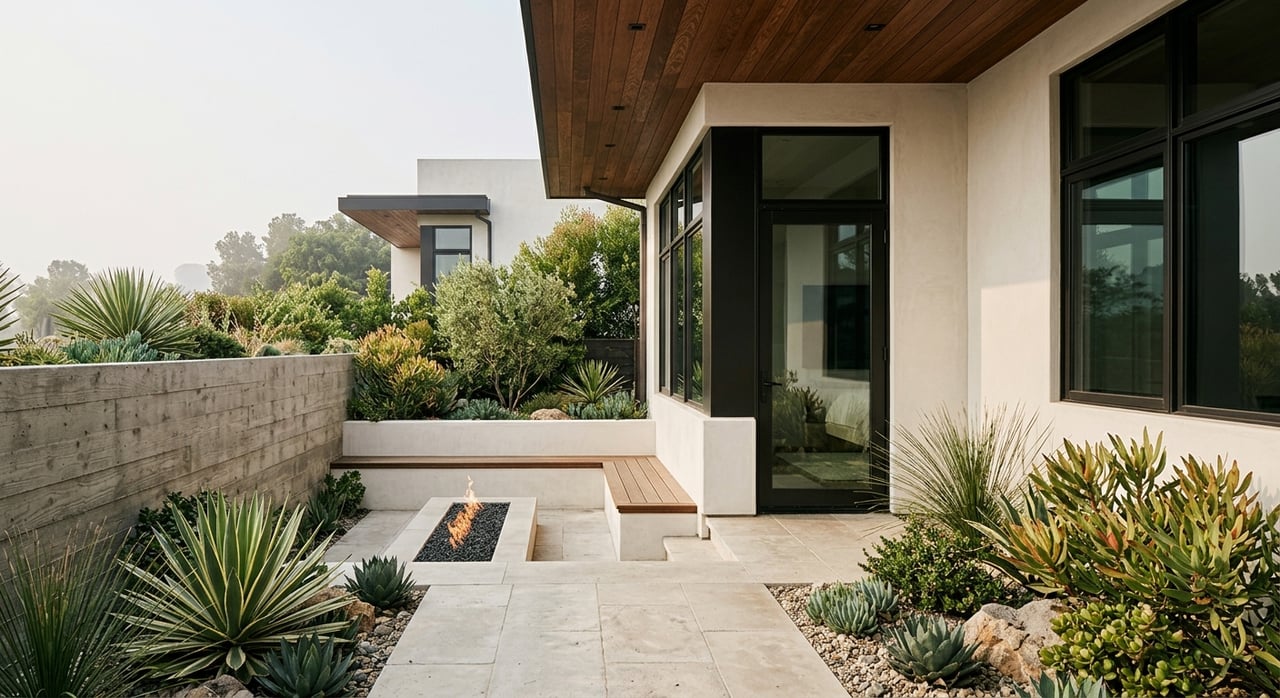
Bel Air Luxury Home Options for Views, Privacy, and Access
If you are drawn to Bel Air, you are probably chasing a very specific version of Los Angeles living: big views, deep privacy, or a location that feels easier to navigate day to day. The challenge is that in Bel Air, you rarely get every advantage at once. The right fit usually comes down to which tradeoffs you are most comfortable making, and that is exactly where smart buying starts. Let’s dive in.
Bel Air sits within a hillside and canyon setting that the City of Los Angeles plans to preserve for its natural topography, scenic views, open space, and residential character. That shapes more than the look of the neighborhood. It also affects how homes are sited, how lots are used, and what daily life feels like once you move in.
The area is also known for limited commercial development and road constraints in parts of the community plan area. In practical terms, that means access, routing, and drive times are not side notes. They are part of the lifestyle equation every time you compare one property to another.
If your dream is a dramatic city, canyon, or skyline backdrop, view estates are often the most compelling properties to tour first. These homes are commonly tied to ridgelines, overlooks, or scenic corridors where the setting does a lot of the heavy lifting.
That appeal comes with more complexity. In the Mulholland Scenic Parkway Specific Plan area, the City places clear emphasis on preserving scenic resources, protecting views, minimizing grading, and respecting natural topographic variation. For you, that can mean a better long-term view setting, but also more oversight around design, site work, and how outdoor spaces are arranged.
View homes often depend heavily on slope-sensitive design. Retaining walls, terraced outdoor areas, and carefully placed living spaces may be part of what makes the home work so well visually. When you walk a property like this, it helps to look beyond the view itself and study how the house uses the land.
From a resale standpoint, views are a real value driver, but not a fixed formula. Research supports the idea that scenic views can add value, yet the premium varies by market and by the actual quality of the outlook. In Bel Air, a view matters, but it should still be weighed alongside privacy, access, and usable outdoor space.
If privacy is your top priority, Bel Air has properties that feel notably more tucked away. These homes often trade some exposure for seclusion, with less visibility from the street and a stronger sense of retreat.
That pattern fits the area’s hillside planning framework. The City’s policies emphasize preserving open space, limiting grading in sensitive hillside areas, and regulating access conditions for some new construction or additions on substandard hillside streets or parcels. While that does not define every private estate, it helps explain why some homes feel hidden and insulated, yet require more thought around approach and access.
For many buyers, this is the luxury. Fewer sightlines, reduced pass-through movement, and a quieter arrival experience can matter more than a broad panoramic view. The tradeoff is that some of these properties may give up the most dramatic outlooks in favor of seclusion.
Some Bel Air homes appeal less because of extreme views or maximum seclusion and more because they feel better connected to the neighborhood’s core. SurveyLA identifies the East Gate at Bel Air and Sunset and describes the original Bel Air Estates planning district within boundaries that include Nimes Road, Sunset Boulevard, Beverly Glen Boulevard, and Bel Air Road.
Homes in or near that original tract often feel more convenient in everyday use, with shorter internal drives and easier access than some of the deeper hillside parcels. That is not a formal rule, but it is a useful way to think about centrality within Bel Air.
The tradeoff is straightforward. A more central location can reduce the sense of isolation that some buyers want. In a neighborhood where commercial uses are sparse and most of the environment is residential, homes closer to the main circulation network may experience more daily movement and less visual seclusion than a gate-hidden hillside estate.
Bel Air’s outdoor lifestyle is closely tied to hillside terrain. The Community Plan encourages development patterns that preserve natural landforms, minimize grading, and keep meaningful portions of land in a natural or park-like state.
That can create beautiful grounds and a strong sense of landscape character. It can also mean your outdoor living areas are terraced, stepped, or engineered around slope instead of spread across one broad flat yard. If you picture lawn-heavy entertaining, a sport court, or large play space, you will want to verify what the site actually supports.
This is one of the most important distinctions in Bel Air. A yard may look expansive on paper, but the portion that is usable today may be very different from the portion that is realistically buildable for future improvements.
According to the Los Angeles Department of Building and Safety, hillside work such as basement excavation, pool excavation, retaining walls, and substantial cut-and-fill can trigger grading permits. So if your long-term plan includes a pool, major landscaping, or significant outdoor upgrades, you should evaluate those possibilities early rather than assume the lot will accommodate them easily.
Bel Air buyers often focus first on architecture, views, and privacy. Those matter, but driveway approach and street access deserve equal attention in the hills.
The Community Plan notes critical deficiencies in north-south arterials and freeway access in the broader area, and it also references capacity limitations for projected automobile demand. On top of that, City rules can restrict some projects when access routes or hillside street conditions do not meet required standards. In everyday life, that can affect convenience, guests, service access, and future renovation planning.
Wildfire due diligence is a core part of buying in Bel Air. CAL FIRE explains that fire hazard zones are based on factors such as vegetation, topography, climate, fire history, and ember movement, and it makes a clear distinction between hazard and actual risk.
For you as a buyer, the takeaway is simple: parcel-level review matters. A home’s fire-hazard context, combined with its access profile, can affect insurance questions, renovation planning, and how comfortable the property feels as a long-term hold.
Bel Air’s neighborhood identity also reflects these concerns. The Bel-Air Association highlights safety, security, beautification, neighborhood watch, and emergency preparedness as areas of focus.
That does not change the physical realities of hillside ownership, but it does tell you something important about the local ownership mindset. Many buyers who choose Bel Air value a residential environment that prioritizes discretion, organization, and preparedness.
Resale in Bel Air is rarely about one feature alone. A jaw-dropping view can attract strong interest, but so can privacy, a smoother approach, and outdoor areas that feel truly usable.
The strongest long-term choices usually balance multiple priorities well. In this market, the best showing experience is not always the best ownership experience. A home that feels thrilling for ten minutes should also make sense for access, maintenance, site constraints, and your future plans.
Here are the main resale and ownership factors to compare:
Before you commit to a Bel Air property, it helps to pressure-test the lifestyle you want against the physical realities of the lot. That process is often what separates a beautiful purchase from a truly strategic one.
Use this checklist as a starting point:
Bel Air can be an exceptional fit when the property matches the lifestyle you actually want to live. If you are choosing between a showcase view estate, a hidden compound, or a more central home with easier day-to-day flow, the smartest move is to weigh beauty against function from the start. For private guidance, discreet opportunities, and broker-led insight on Bel Air homes, contact High-End Estates.
No matter where you are in the buying or selling journey, we’re here to answer your questions and provide expert advice. Contact us today, and let’s make your next move a success.
High-End Estates | CA DRE# 0225